
Physical Therapy for Winter Blues and Seasonal Affective Disorder (SAD) in Older Adults
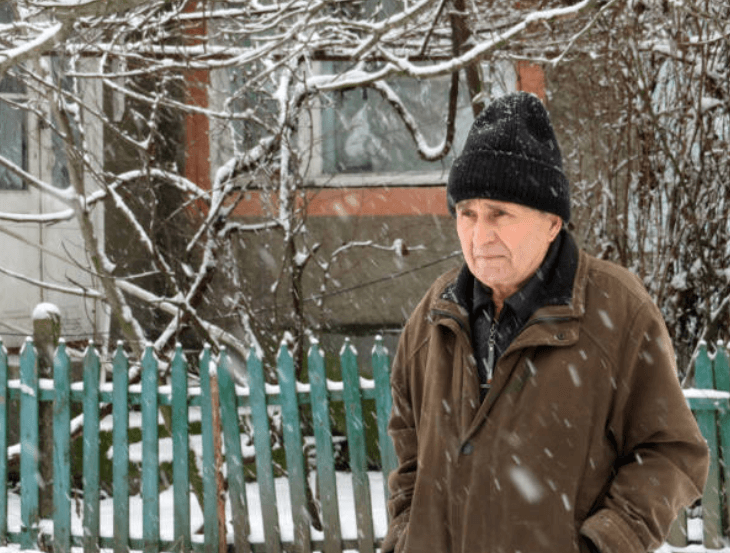
Winter months can significantly impact the mental and physical well-being of older adults, particularly those experiencing Seasonal Affective Disorder (SAD). The combination of reduced daylight, limited outdoor activity, and increased isolation during winter months can amplify symptoms of depression and decrease overall mobility in seniors.
Understanding SAD in Older Adults
SAD presents unique challenges in the senior population. Reduced mobility, existing health conditions, and limited access to outdoor activities can intensify symptoms. The condition often manifests differently in older adults, sometimes being mistaken for general winter lethargy or typical age-related changes.
The connection between physical movement and mood becomes particularly important during winter months. Regular physical activity helps manage SAD symptoms while maintaining crucial strength and mobility. Understanding this relationship helps develop effective management strategies.
Movement and Mood Connection
Physical activity plays a vital role in managing SAD symptoms. Regular movement stimulates the release of endorphins, helping to improve mood and energy levels. Indoor exercises designed specifically for older adults can provide both physical and mental health benefits during winter months.
Structured movement programs help maintain strength and balance while providing mood-lifting benefits. Activities can be modified to accommodate different mobility levels and health conditions, ensuring safe participation for all seniors.
Safe Indoor Exercise Options
Creating safe indoor exercise environments helps maintain regular activity during winter months. Simple home exercises, seated movements, and guided stretching routines provide options for staying active while managing SAD symptoms. Proper lighting during exercise sessions helps maximize the mood-lifting benefits of movement.
Balance exercises become particularly important during winter months when outdoor walking might be limited. Incorporating balance training into daily routines helps maintain confidence and reduce fall risk.
Social Integration
Group activities, even in limited numbers, help combat the isolation that often accompanies winter months. Virtual exercise classes and small group sessions provide opportunities for social interaction while maintaining physical activity. Social connections during exercise help improve adherence to movement programs.
Timing and Light Exposure
Coordinating exercise with natural light exposure when possible helps maximize the benefits for SAD management. Morning activities near windows or in well-lit areas can help regulate circadian rhythms. Understanding the importance of light exposure helps in planning daily activities.
Movement Progression
Gradually increasing activity levels helps build confidence and maintain motivation. Starting with simple movements and progressing as strength and energy improve helps prevent overwhelming seniors new to exercise. Regular assessment of progress helps maintain appropriate challenge levels.
Pain Management Considerations
Winter weather can exacerbate joint pain and arthritis symptoms, potentially affecting exercise participation. Understanding how to modify movements based on pain levels helps maintain regular activity. Proper warm-up techniques become especially important during colder months.
Sleep and Recovery
Quality sleep plays a crucial role in managing both SAD symptoms and physical health. Regular movement helps improve sleep quality, creating a positive cycle for overall well-being. Understanding the connection between activity and sleep helps in developing effective daily routines.
Professional Support and Guidance
At Gordon Physical Therapy, located in Spokane Valley, WA, we understand the complex relationship between physical health and SAD in older adults. Our specialized team works with seniors to develop safe, effective movement programs that address both physical and mental well-being during winter months.
Whether you’re experiencing SAD symptoms or looking to maintain better physical and mental health this winter, we’re here to help. Contact us at 509.892.5442 to learn about our specialized programs for older adults. Our experienced team will work with you to develop strategies that keep you moving and feeling your best throughout the winter season.
"Tell Us Where It Hurts..."
And we'll send you our best advice and top tips in one special report...
It's FREE! Just look below and find the one that works best for you...


Monday 7:00 am - 6:00 pm
Tuesday 7:00 am - 6:00 pm
Wednesday 7:00 am - 6:00 pm
Thursday 7:00 am - 6:00 pm
Friday 7:00 am - 5:00 pm
Saturday Closed
Sunday Closed
© 2024 Gordon Physical Therapy