
April Walks: Building Stamina for Spring Outings
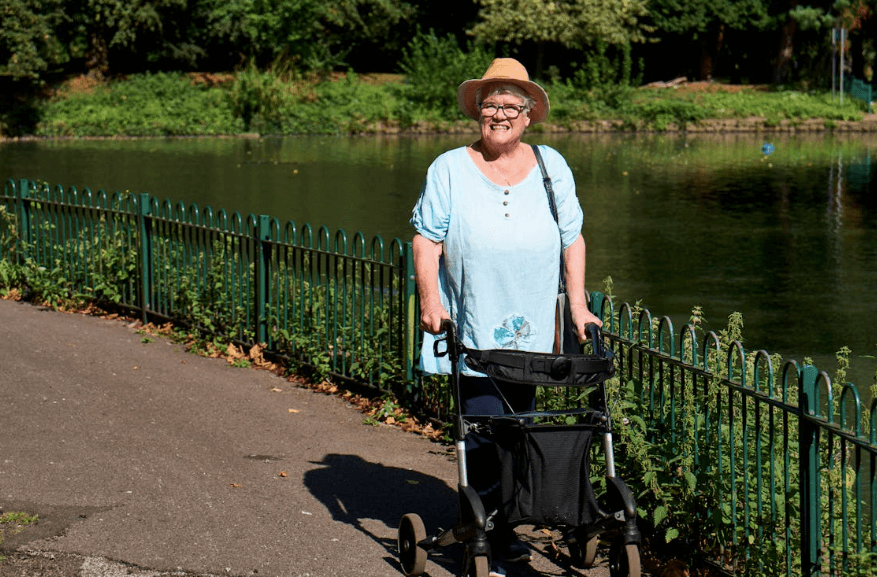
Spring arrives in April with longer days, blooming flowers, and a pull to get outside. For seniors, it’s the perfect season to stretch your legs and enjoy the fresh air. Walking is one of the simplest ways to stay active, but after winter’s quieter months, your stamina might need a boost. Seniors physical therapy (PT) offers a smart way to build endurance for spring outings, whether it’s a stroll in the park or a trip with grandkids. In this blog, we’ll guide you through a walking program tailored for older adults, with practical tips on pacing yourself and choosing the right footwear. Let’s step into spring with confidence and energy.
Why Walking Matters for Seniors in Spring
Walking isn’t just exercise; it’s a gateway to enjoying life. After winter’s chill, April’s milder weather invites you outdoors, and a regular walking habit keeps your body and mind in tune. For seniors, it strengthens your heart, boosts circulation, and lifts your mood, all while keeping joints moving. Studies show even 20-30 minutes daily can lower blood pressure and improve balance, cutting fall risks. Spring outings, from garden tours to family picnics, get easier when your stamina’s up to par.
But it’s not about jumping in fast. Winter might have left your legs rusty or your endurance low. Pushing too hard can tire you out or strain muscles. Physical therapy designs walking programs to rebuild stamina safely, focusing on your pace and comfort. Unlike gym machines, walking fits anywhere, a park, your neighborhood, or even indoors if rain hits. With the right approach, those spring outings become highlights, not hurdles.
Starting Your April Walking Program
A walking program isn’t one-size-fits-all. Seniors need a plan that respects where you’re at and builds from there. Here’s how PT gets you going.
Begin with What Feels Good
If you haven’t walked much lately, start small. Try 5-10 minutes around your home or block at a relaxed pace. No rush, just move steady. Aim for 3-4 days this week. If that’s easy, add 2-3 minutes next week. PT calls this gradual buildup progressive overload; it strengthens your legs and lungs without wearing you down. Listen to your body. A little puffing is fine, but stop if you’re gasping or aching.
Set a Simple Goal
Pick a spring outing to aim for, maybe a 20-minute park loop by month’s end or a short trail with friends. Having a target keeps you motivated without pressure. PT suggests breaking it into chunks: if 20 minutes feels big, start with two 10-minute walks daily. Build stamina by adding time weekly, not daily, so your body adapts smoothly.
Warm Up and Cool Down
Before you walk, loosen up. Stand and swing one leg gently back and forth 10 times, then switch. Follow with arm circles, 10 each way, to wake your shoulders. After your walk, stretch your calves: face a wall, one foot back, heel down, lean forward, and hold 20 seconds per side. These PT staples prep your muscles and ease stiffness, making each step smoother.
Pacing Yourself for Success
Pace is everything in a walking program. Too fast, and you’re spent; too slow, and you miss the benefits. Seniors PT helps you find that sweet spot.
Find Your Rhythm
Walk like you’re heading somewhere, not racing. You should talk without gasping, what PT calls the “talk test.” If you can chat about your day, you’re golden. If not, slow down. Start at a comfortable speed, maybe 2-3 minutes per city block, and tweak as you go. Over weeks, your natural pace will pick up as stamina grows.
Break It Up
No need to do it all at once. Split walks into chunks: 10 minutes morning, 10 afternoon. It’s easier on your joints and fits busy days. PT knows shorter bursts still build endurance, especially early on. As you get stronger, combine them into one longer stroll for outings.
Rest Smart
Rest days matter. Walk 3-5 days a week, not seven. Muscles grow when you recover, not just when you move. If your legs feel heavy or knees ache, take an extra day off. PT balances activity and rest to keep you steady, not sidelined.
Footwear Tips for Senior Walkers
Good shoes aren’t a luxury; they’re your foundation. The wrong pair can trip you up or hurt your feet. Here’s what PT recommends.
Pick the Right Fit
Walking shoes need cushioning and support, not just style. Look for a wide toe box so your toes spread naturally, and a firm heel to steady your step. Running shoes work too, with extra padding for joints. Try them on late in the day when feet swell slightly, ensuring they won’t pinch mid-walk. PT suggests replacing them every 300-500 miles, roughly 6-12 months for regular walkers, to keep support fresh.
Support Your Arches
Flat feet or high arches? Get shoes that match. Drugstore inserts can help if your budget’s tight, but custom orthotics from a PT beat them for comfort. They cradle your feet, cutting strain on knees and hips. Spring’s uneven paths demand this extra care.
Test Traction
April’s wet grass or slick sidewalks need grip. Check soles for rubber treads, not smooth bottoms. Slip-resistant shoes keep you safe on dewy mornings or after rain. PT prioritizes stability so every outing feels secure.
Building Stamina for Spring Outings
A walking program isn’t just steps; it’s progress. Here’s how it preps you for April’s fun.
Week-by-Week Plan
Week 1: 10 minutes, 3-4 days, flat ground. Week 2: 12-15 minutes, same days, add a slight hill if you can. Week 3: 15-20 minutes, 4-5 days, mix in a park path. Week 4: 20-25 minutes, aiming for your outing goal. PT builds this slow to match senior stamina, not rush it. Adjust if you’re tired; it’s a guide, not a rule.
Add Variety
Keep it fresh. Walk a new route, like a nature trail, or join a friend. Indoors on a treadmill works if weather sours. Variety builds leg strength different ways, prepping you for uneven outing terrain. PT knows mixing it up fights boredom and boosts endurance.
Track Your Wins
Note how far or long you go. A phone app, pedometer, or just counting blocks works. Seeing 10 minutes turn to 20 feels good and shows your stamina growing. PT uses this to tweak your program, keeping you on track.
When to See a Seniors PT
Walking’s simple, but if it’s tough, a physical therapist can help. Trouble balancing, knee pain, or shortness of breath beyond normal puffing are signs to check in. A PT assesses your gait, strength, and joints, then tailors your walking plan. Maybe your hips need loosening or your shoes aren’t right. They fix it so spring outings stay doable.
Long-Term Benefits of April Walks
This program isn’t just for now. Stamina from walking carries into summer hikes, fall fairs, even winter errands. Stronger legs and lungs cut fall risks and keep you independent. PT builds a habit that lasts, turning spring steps into year-round health.
Walking FAQs for Seniors
Got questions? Here’s what seniors ask. How long until I’m stronger? Most feel it in 3-4 weeks. Can I walk with arthritis? Yes, if it’s mild; PT adjusts pace. What if I’m winded fast? Start shorter, like 5 minutes, and build slow.
Step Into Spring with PT
April walks can transform your spring. With a seniors PT walking program, smart pacing, and the right footwear, you’ll build stamina for outings and beyond. Ready to get moving? Contact Gordon Physical Therapy in Spokane Valley, WA at 509.892.5442. Our physical therapists will personalize your plan and keep you steady all season. Let’s make this spring your most active yet!
"Tell Us Where It Hurts..."
And we'll send you our best advice and top tips in one special report...
It's FREE! Just look below and find the one that works best for you...


Monday 7:00 am - 6:00 pm
Tuesday 7:00 am - 6:00 pm
Wednesday 7:00 am - 6:00 pm
Thursday 7:00 am - 6:00 pm
Friday 7:00 am - 5:00 pm
Saturday Closed
Sunday Closed
© 2024 Gordon Physical Therapy