
Pregnancy and Posture: PT Tips for Spring Expecting Moms
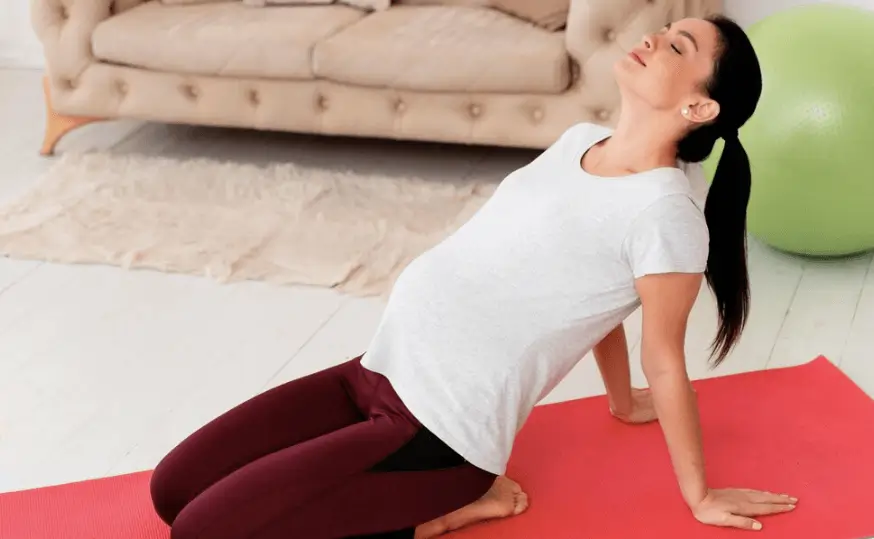
Spring brings a sense of renewal, and for expecting mothers, it’s a time of anticipation and change. As your body adapts to pregnancy, maintaining good posture becomes essential to manage discomfort and support your growing baby. Unlike April’s focus on menstrual cycle-related concerns, pregnancy introduces unique physical challenges, such as lower back pain, pelvic pressure, and rounded shoulders, driven by shifting weight and hormonal changes. Physical therapy offers practical solutions, including tailored stretches, strengthening exercises, and supportive tools, to help you stay comfortable and active.
Why Posture Matters During Pregnancy
Pregnancy transforms your body in remarkable ways, but these changes can strain your posture. As your belly grows, your center of gravity shifts forward, often leading to an arched lower back, rounded shoulders, and a forward head position. Hormonal changes, like increased relaxin, loosen ligaments, affecting joint stability in the pelvis and spine. Poor posture exacerbates these issues, contributing to back pain, hip discomfort, and fatigue, which can dampen the joy of spring activities like walking or gardening. Physical therapy addresses these challenges, helping you maintain alignment and move with ease throughout your pregnancy.
The Impact of Postural Changes
Without proper attention, postural changes can lead to more than discomfort—they may cause muscle imbalances, nerve irritation, or pelvic misalignment. For example, an exaggerated lower back curve, known as lordosis, strains spinal muscles, while tight hip flexors limit mobility. These issues can make daily tasks, like bending or sitting, feel taxing. By prioritizing posture, you support your body’s ability to adapt to pregnancy, reduce strain, and prepare for labor and postpartum recovery. Physical therapy empowers you with tools to navigate these changes safely.
Stretches to Support Posture
Stretching is a gentle, effective way to relieve tension and improve posture during pregnancy. Physical therapy focuses on safe, targeted stretches that accommodate your changing body, promoting flexibility in the back, hips, and chest to counter the effects of weight gain and ligament laxity.
Cat-Cow Stretch for Spinal Mobility
This stretch eases lower back tension and encourages spinal alignment. Start on your hands and knees, with wrists under shoulders and knees under hips. Inhale, gently arching your back and lifting your chest and tailbone (cow position). Exhale, rounding your spine and tucking your chin to your chest (cat position). Move smoothly between these positions for 8-10 breaths, keeping movements small and controlled to avoid overstretching. This stretch promotes flexibility in the spine, countering the forward tilt of pregnancy and relieving back discomfort.
Chest Opener Stretch
Rounded shoulders are common as breasts grow heavier, pulling the chest inward. To open the chest, stand in a doorway with forearms resting on the doorframe, elbows at shoulder height. Gently lean forward until you feel a stretch across your chest and shoulders. Hold for 20-30 seconds, breathing deeply, then release. Repeat twice. This stretch counteracts slouching, improving upper body posture and reducing neck and shoulder tension for better comfort during daily tasks.
Strengthening for Stability
Strengthening key muscles supports posture by stabilizing the spine, pelvis, and core, which are under increased strain during pregnancy. Physical therapy exercises are designed to be safe and low-impact, helping you build resilience without overexertion.
Pelvic Tilts for Core Engagement
Pelvic tilts strengthen the abdominal muscles and reduce lower back strain. Lie on your back with knees bent and feet flat, or sit on a chair if lying down feels uncomfortable later in pregnancy. Tighten your abdominal muscles and gently tilt your pelvis upward, flattening your lower back against the surface. Hold for five seconds, then release. Repeat 10-12 times, moving slowly. This exercise supports core stability, helping you maintain a neutral spine and ease back pain as your belly grows.
Side-Lying Leg Lifts for Hip Strength
Strong hips stabilize the pelvis, reducing discomfort from loosened ligaments. Lie on your left side with legs stacked and a pillow under your head for comfort. Slowly lift your right leg to hip height, keeping it straight, then lower it with control. Perform 10 reps, then switch sides. Use a resistance band around your thighs for added challenge if approved by your therapist. This exercise strengthens the gluteus medius, supporting pelvic alignment and improving posture during walking or standing.
Supportive Tools for Comfort
Beyond exercises, supportive tools can enhance posture and reduce strain. Physical therapists often recommend aids to complement stretches and strengthening, helping you stay active and comfortable during spring’s busy days.
Maternity Support Belts
A maternity support belt wraps around your lower abdomen and back, lifting the belly to reduce pressure on the spine and pelvis. It’s particularly helpful in the second and third trimesters when weight gain intensifies. Choose a breathable, adjustable belt and wear it during activities like walking or light chores. A physical therapist can guide you on proper fit and usage, ensuring it supports posture without restricting movement.
Ergonomic Seating and Pillows
Proper seating supports spinal alignment, especially if you’re working or resting for long periods. Use a chair with lumbar support or place a small pillow behind your lower back to maintain its natural curve. At night, sleep with a pillow between your knees to keep your hips aligned and reduce pelvic strain. These adjustments promote posture during rest, helping you wake up refreshed for spring activities.
Integrating PT Tips into Your Spring Routine
Pregnancy can make spring’s packed schedules feel overwhelming, but incorporating physical therapy tips doesn’t require hours of effort. Aim for 10-15 minutes of stretches and exercises daily, perhaps in the morning to energize your day or evening to unwind. Perform stretches while watching TV or waiting for dinner to cook, and keep supportive tools like belts or pillows handy. Pair these habits with light activities, such as prenatal yoga or short walks, to stay active without overdoing it. Consistency, not intensity, drives results, helping you feel stronger and more comfortable.
Listening to Your Body
Every pregnancy is unique, so pay attention to your body’s signals. Avoid exercises that cause pain or dizziness, and modify movements as your pregnancy progresses—standing stretches may feel better than floor-based ones in later trimesters. Consult your healthcare provider before starting any routine, especially if you have conditions like pelvic girdle pain or high-risk pregnancy. A physical therapist can tailor exercises to your stage and needs, ensuring safety and effectiveness.
Benefits Beyond Pregnancy
Improving posture during pregnancy does more than alleviate discomfort—it prepares your body for labor and postpartum recovery. Strong core and hip muscles support efficient pushing during delivery, while good posture reduces strain during breastfeeding and carrying your newborn. The habits you build now, like mindful movement and ergonomic awareness, also promote long-term spinal health, helping you stay active as a mom. Physical therapy empowers you to navigate pregnancy and beyond with resilience and confidence.
Mental and Emotional Wellness
Physical therapy’s benefits extend to your mental well-being. The mindful focus of stretching and breathing can reduce stress, a common challenge during pregnancy’s emotional ups and downs. Feeling stronger and more comfortable in your body boosts confidence, letting you embrace spring’s joys—whether it’s a baby shower or a walk in the park—with energy and positivity. This holistic approach supports both body and mind, enhancing your pregnancy experience.
When to Seek Professional Support
While these tips are safe for most expecting moms, persistent pain, pelvic instability, or posture concerns may require professional guidance. If you experience back pain that doesn’t improve, difficulty walking, or discomfort during daily tasks, a physical therapist specializing in women’s health can help. They’ll assess your posture, mobility, and muscle strength, creating a personalized plan to address your needs. Professional care ensures you stay active and comfortable, setting the stage for a healthy pregnancy and recovery.
Embrace Spring Pregnancy with Confidence
Spring is a beautiful season to nurture your body and prepare for motherhood. By focusing on posture through physical therapy stretches, strengthening exercises, and supportive tools, you can manage pregnancy discomfort and move with ease. Unlike menstrual cycle concerns, pregnancy demands a tailored approach to support your changing body, helping you stay active and comfortable. With these tips, you’ll navigate spring’s vibrant days with strength, ready to welcome your baby with confidence.
Ready to optimize your pregnancy journey? Visit Gordon Physical Therapy in Spokane Valley, WA, where our expert physical therapists specialize in women’s health. Call us today at 509.892.5442 to schedule your consultation and embrace a comfortable, confident spring!
"Tell Us Where It Hurts..."
And we'll send you our best advice and top tips in one special report...
It's FREE! Just look below and find the one that works best for you...


Monday 7:00 am - 6:00 pm
Tuesday 7:00 am - 6:00 pm
Wednesday 7:00 am - 6:00 pm
Thursday 7:00 am - 6:00 pm
Friday 7:00 am - 5:00 pm
Saturday Closed
Sunday Closed
© 2024 Gordon Physical Therapy