
Pelvic Power for Summer: Strengthening for Active Lifestyles
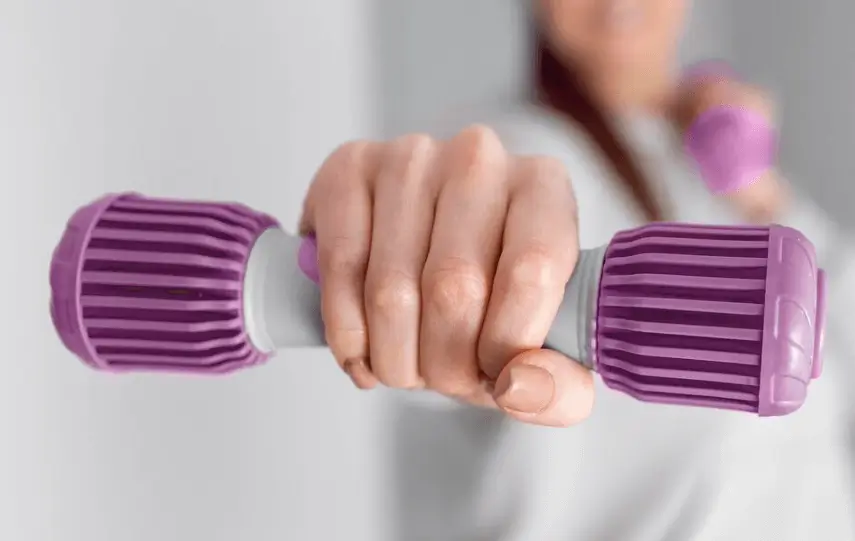
As summer approaches, women are eager to embrace the season’s vibrant activities hiking scenic trails, running along the beach, or cycling through parks. These pursuits demand a strong, resilient body, and the pelvic floor plays a pivotal role in supporting an active lifestyle. Unlike April’s focus on debunking pelvic health myths, this guide shifts to proactive strategies, offering pelvic floor exercises to prepare women for summer’s physical demands. A robust pelvic floor enhances stability, prevents discomfort, and boosts confidence during dynamic movements. Physical therapy provides targeted techniques to strengthen this often-overlooked area, ensuring you can enjoy summer adventures without limitation.
Why Pelvic Floor Strength Matters
The pelvic floor, a group of muscles and tissues forming a hammock across the pelvis, supports the bladder, uterus, and bowels while stabilizing the hips and spine. For women, a strong pelvic floor is essential for maintaining continence, supporting sexual health, and providing core stability during activities like running or hiking. Weakness in these muscles, often caused by childbirth, aging, or sedentary habits, can lead to issues like urinary leakage, pelvic pain, or reduced athletic performance. As summer beckons with its promise of outdoor fun, strengthening the pelvic floor ensures you move with ease and confidence, free from discomfort or embarrassment.
The Role of the Pelvic Floor in Active Lifestyles
During high-impact activities like running or jumping, the pelvic floor works alongside the core to absorb shock and stabilize the body. Weak pelvic muscles can struggle to handle these forces, leading to incontinence during a sprint or lower back pain after a long hike. Even low-impact activities, such as yoga or cycling, rely on pelvic floor engagement for balance and endurance. Physical therapy offers a proactive approach to build this strength, helping women prepare their bodies for summer’s diverse demands while enhancing overall well-being.
Understanding Pelvic Floor Weakness
Pelvic floor weakness is common but not inevitable. Factors like pregnancy, menopause, or prolonged sitting can strain these muscles, reducing their ability to support dynamic movements. Symptoms may include a feeling of heaviness in the pelvis, difficulty controlling urine during exercise, or discomfort during prolonged activity. Unlike myths that suggest pelvic issues are untreatable, targeted exercises can significantly improve strength and function. Physical therapy empowers women to take control, offering safe, effective techniques to restore pelvic power and prepare for summer’s active pursuits.
Benefits of a Strong Pelvic Floor
A well-conditioned pelvic floor enhances more than just physical performance. It boosts core stability, reducing the risk of back or hip injuries during summer activities. It also improves bladder control, allowing you to focus on your run or hike without worry. Beyond function, a strong pelvic floor can enhance sexual health and confidence, enriching your overall quality of life. By investing in pelvic health now, you set the stage for a summer filled with energy and freedom.
Pelvic Floor Exercises for Summer Strength
Physical therapy provides a range of exercises to strengthen the pelvic floor, tailored to support active lifestyles. These movements are gentle, accessible, and designed to integrate seamlessly into your daily routine, ensuring you’re ready for summer’s adventures.
Kegel Exercises for Core Pelvic Strength
Kegels are the cornerstone of pelvic floor training, targeting the muscles that control bladder and bowel function. To perform a Kegel, sit or lie comfortably and imagine stopping the flow of urine midstream. Squeeze these muscles for five seconds, then relax for five seconds, ensuring you don’t tighten your buttocks or thighs. Perform 10-12 reps, three sets daily. Focus on controlled, isolated contractions to build endurance. Kegels enhance pelvic stability, helping you maintain control during high-impact activities like trail running or jumping.
Bridge with Pelvic Floor Engagement
This exercise combines pelvic floor activation with glute and core strengthening, ideal for hiking or cycling. Lie on your back with knees bent and feet flat, hip-width apart. Before lifting, engage your pelvic floor with a gentle Kegel contraction. Then, raise your hips toward the ceiling, forming a straight line from shoulders to knees, and hold for three seconds. Slowly lower while maintaining the pelvic floor squeeze. Perform 12-15 reps, two sets. This movement builds a strong foundation, supporting spinal alignment and pelvic stability during summer outings.
Enhancing Coordination and Stability
A strong pelvic floor must work in harmony with the core and lower body to support dynamic movements. Physical therapy exercises focus on coordination and stability, ensuring the pelvic floor activates effectively during activities like sprinting or climbing.
Squat with Pelvic Floor Activation
Squats strengthen the legs and glutes while training pelvic floor coordination. Stand with feet shoulder-width apart, toes slightly out. Engage your pelvic floor with a Kegel, then lower into a squat, keeping your chest up and knees over toes. Pause briefly, maintaining the pelvic contraction, then push through your heels to stand, releasing the squeeze. Perform 10-12 reps, two sets. This exercise mimics the demands of hiking or running, preparing your body for summer’s uneven terrains.
Diaphragmatic Breathing for Pelvic Floor Relaxation
Overactive or tense pelvic floor muscles can cause discomfort during exercise. Diaphragmatic breathing promotes relaxation and coordination. Sit comfortably, placing one hand on your chest and one on your belly. Inhale deeply through your nose, letting your belly rise while your chest stays still, and feel your pelvic floor gently relax. Exhale slowly, engaging your pelvic floor with a light Kegel. Repeat for 10 breaths, twice daily. This technique enhances pelvic floor responsiveness, ensuring it supports you during summer activities without strain.
Integrating Pelvic Exercises into Your Spring Routine
Preparing for summer doesn’t require hours of effort consistency is key. Dedicate 10-15 minutes daily to pelvic floor exercises, integrating them into your spring routine. Practice Kegels while brushing your teeth or watching TV, and perform squats or bridges during a morning stretch session. Pair these with light activities like walking or prenatal yoga to warm up muscles and boost circulation. If you’re new to pelvic exercises, start with one or two movements and gradually add more as you gain confidence. A physical therapist can guide you on proper form, ensuring maximum benefit.
Adapting to Your Needs
Pelvic floor needs vary based on factors like age, childbirth history, or activity level. If you experience symptoms like pelvic pain or leakage, avoid high-impact exercises until you consult a professional. Women post-childbirth or in menopause may need gentler approaches, focusing on relaxation and coordination before strength. Listen to your body, stopping if you feel discomfort, and modify exercises such as performing bridges seated if lying down is challenging. A tailored approach ensures safety and effectiveness as you prepare for summer.
Supporting Pelvic Health Beyond Exercise
Exercise is just one part of pelvic health. Lifestyle habits play a crucial role in preparing your body for summer’s demands. Stay hydrated to support bladder health, especially during outdoor activities. Maintain a balanced diet rich in fiber to prevent constipation, which can strain the pelvic floor. Practice good posture sitting tall with shoulders back and core engaged to reduce pelvic pressure. When lifting or bending during summer chores like gardening, engage your pelvic floor and core to protect your spine and pelvis. These habits amplify the benefits of your exercise routine, creating a strong, resilient body.
Using Supportive Tools
For women with pelvic floor weakness, tools like vaginal weights or biofeedback devices can enhance training, guided by a physical therapist. Supportive garments, such as compression shorts, provide stability during high-impact activities like running. Ensure any tool is used correctly to avoid strain, and consult a professional for recommendations. These aids complement exercises, helping you build confidence for summer’s physical challenges.
Long-Term Benefits of Pelvic Strength
Strengthening your pelvic floor for summer offers benefits that extend far beyond the season. A robust pelvic floor reduces the risk of prolapse or incontinence later in life, supporting you through menopause and beyond. Enhanced core stability improves athletic performance and prevents injuries, whether you’re hiking or playing with kids. The confidence gained from a strong, functional body empowers you to embrace life’s adventures, from summer trails to winter sports. Physical therapy equips you with lifelong tools for pelvic health, ensuring you thrive in every season.
Emotional and Social Wellness
Pelvic floor strength also boosts emotional well-being. Feeling in control during exercise or social outings reduces anxiety and enhances self-esteem. The mindful focus of pelvic exercises, like diaphragmatic breathing, fosters relaxation, helping you navigate summer’s busy schedules with calm. This holistic approach supports both body and mind, letting you fully engage in the season’s joys, from picnics to beach runs.
When to Seek Professional Guidance
While these exercises are safe for most women, symptoms like persistent pelvic pain, leakage, or a feeling of heaviness warrant professional evaluation. A physical therapist specializing in pelvic health can assess your muscle strength, coordination, and symptoms, designing a personalized plan to prepare you for summer. They may use techniques like biofeedback or manual therapy to enhance results. Professional support is especially valuable for women post-childbirth, with prolapse, or experiencing menopausal changes, ensuring exercises are safe and effective.
Unleash Your Pelvic Power This Summer
Summer is the perfect time to harness the power of your pelvic floor, preparing your body for hiking, running, and all the season’s adventures. By embracing physical therapy exercises like Kegels, bridges, and breathing techniques, you can build strength, stability, and confidence, moving beyond April’s myth-busting to proactive pelvic health. A strong pelvic floor empowers you to enjoy every moment, from trailblazing to beachside jogs, without worry or discomfort. Start now to unlock your pelvic power and make this summer your most active yet.
Ready to strengthen your pelvic floor for summer? Visit Gordon Physical Therapy in Spokane Valley, WA, where our expert physical therapists specialize in women’s pelvic health. Call us today at 509.892.5442 to schedule your consultation and step into summer with confidence!
"Tell Us Where It Hurts..."
And we'll send you our best advice and top tips in one special report...
It's FREE! Just look below and find the one that works best for you...


Monday 7:00 am - 6:00 pm
Tuesday 7:00 am - 6:00 pm
Wednesday 7:00 am - 6:00 pm
Thursday 7:00 am - 6:00 pm
Friday 7:00 am - 5:00 pm
Saturday Closed
Sunday Closed
© 2024 Gordon Physical Therapy