
TMJ Pain Relief: How Physical Therapy Can Help You Stop Jaw Clenching and Grinding
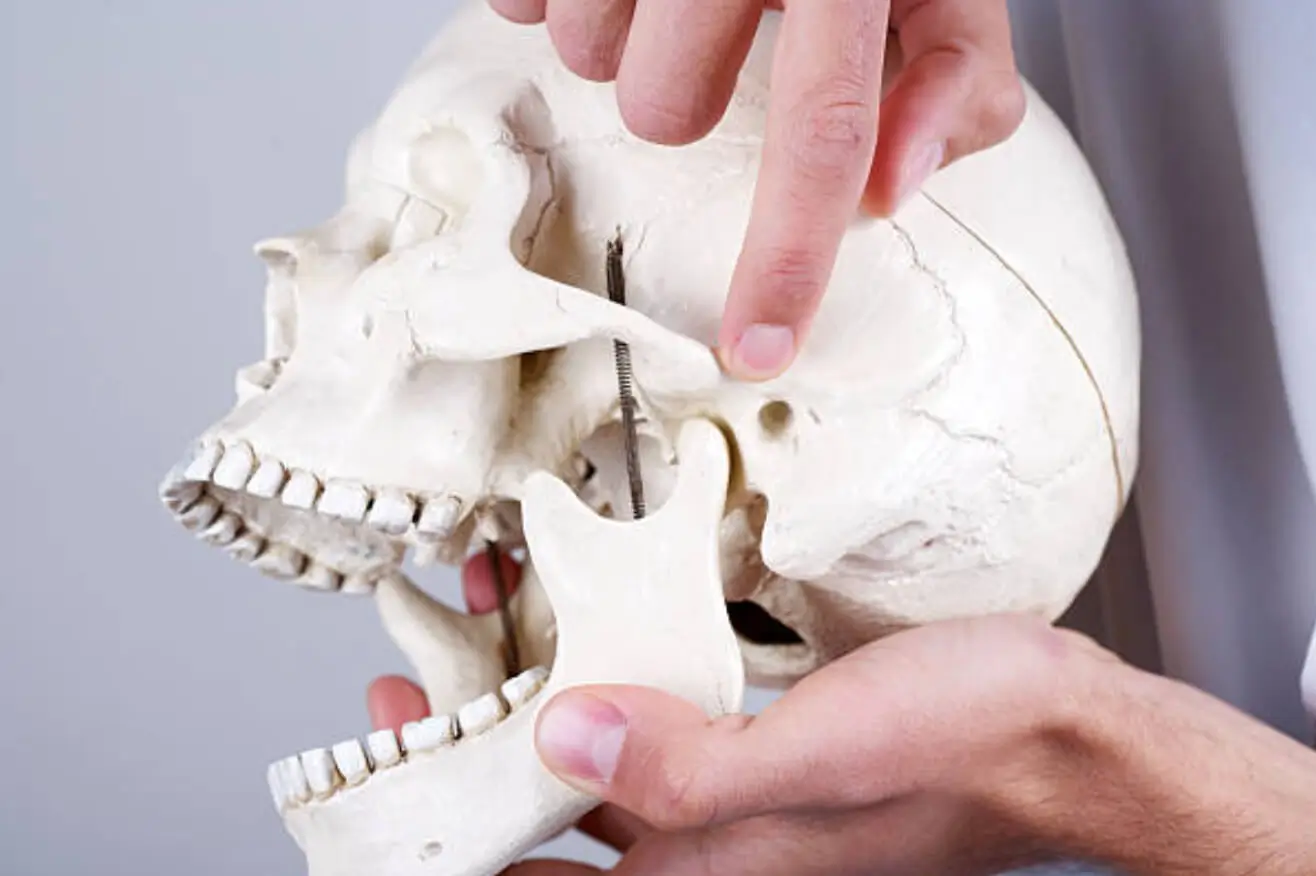
Temporomandibular joint (TMJ) disorders affect millions of people, causing jaw pain, headaches, and difficulty eating or speaking. If you’re experiencing jaw clenching, grinding, or clicking sounds when you open your mouth, you’re not alone. The good news is that physical therapy offers effective, non-invasive solutions for TMJ pain relief.
Understanding TMJ Disorders
The temporomandibular joint connects your jawbone to your skull and is one of the most complex joints in your body. TMJ disorders can result from various factors including stress, teeth grinding (bruxism), poor posture, jaw injuries, or arthritis. Many people don’t realize that neck and shoulder tension can also contribute to jaw problems, making this a whole-body issue rather than just a jaw problem.
How Physical Therapy Addresses TMJ Pain
Physical therapists use specialized techniques to treat TMJ disorders by addressing both the symptoms and underlying causes. Treatment typically includes manual therapy to improve jaw mobility, exercises to strengthen and stretch jaw muscles, and posture correction to reduce strain on the temporomandibular joint.
Manual Therapy Techniques
Your physical therapist will use hands-on techniques to gently mobilize the jaw joint, release muscle tension, and improve blood flow to the affected area. These techniques can significantly reduce pain and restore normal jaw movement patterns.
Targeted Exercises
Specific exercises help strengthen weak muscles and stretch tight ones around the jaw, neck, and shoulders. These exercises also teach you how to move your jaw properly and break harmful habits like clenching or grinding.
Posture and Ergonomic Training
Poor posture, especially forward head posture from computer work, puts extra strain on your jaw muscles. Your therapist will teach you proper positioning and workplace ergonomics to reduce TMJ symptoms.
The Benefits of Physical Therapy for TMJ
Unlike medications that only mask symptoms, physical therapy addresses the root causes of TMJ disorders. Patients typically experience reduced pain, improved jaw function, better sleep quality, and decreased headaches. Most importantly, you’ll learn self-management techniques to prevent future flare-ups.
What to Expect During Treatment
Your initial evaluation will include a thorough assessment of your jaw movement, posture, and muscle tension patterns. Treatment sessions typically involve manual therapy, therapeutic exercises, and education about proper jaw mechanics. Most patients begin to see improvement within a few weeks of consistent treatment.
Take Control of Your TMJ Pain
TMJ disorders can significantly impact your daily life, but you don’t have to suffer in silence. Our experienced physical therapists at Gordon Physical Therapy in Spokane Valley, WA] specialize in treating TMJ disorders and can help you find lasting relief from jaw pain, clenching, and grinding.
Ready to take the first step toward pain-free living? Call us today at 509.892.5442 to schedule your comprehensive TMJ evaluation. Our team is here to help you regain comfort and confidence in your daily activities. Don’t wait, your path to TMJ relief starts with one phone call!
"Tell Us Where It Hurts..."
And we'll send you our best advice and top tips in one special report...
It's FREE! Just look below and find the one that works best for you...


Monday 7:00 am - 6:00 pm
Tuesday 7:00 am - 6:00 pm
Wednesday 7:00 am - 6:00 pm
Thursday 7:00 am - 6:00 pm
Friday 7:00 am - 5:00 pm
Saturday Closed
Sunday Closed
© 2024 Gordon Physical Therapy