
Age-Related Macular Degeneration and Fall Prevention: Vision Changes That Increase Injury Risk
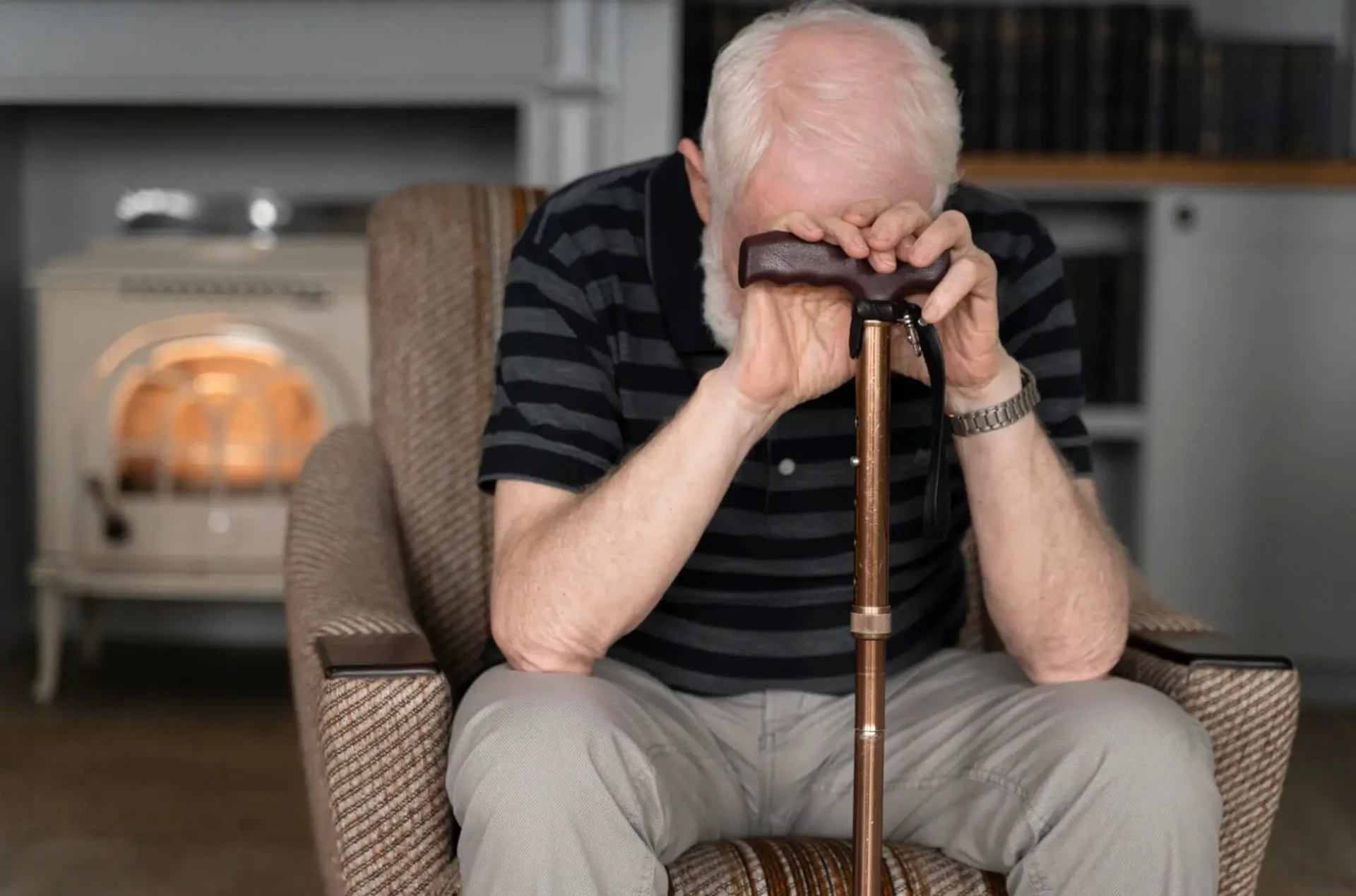
As we age, many of us expect some changes to our vision – perhaps needing reading glasses or experiencing slightly dimmer night vision. However, for the nearly 20 million Americans living with age-related macular degeneration (AMD), vision changes extend far beyond simple presbyopia, creating significant safety challenges that many don’t recognize until it’s too late. Studies show that individuals with AMD have a 1.8 times higher risk of falling compared to those with normal vision, with the combination of central vision loss and aging-related balance changes creating a perfect storm for serious injuries that can dramatically impact independence and quality of life.
Understanding Age-Related Macular Degeneration
Age-related macular degeneration affects the macula, the small but crucial area of the retina responsible for sharp, detailed central vision. This specialized tissue allows us to read, recognize faces, drive safely, and perform the countless daily tasks that require precise visual discrimination. Unlike other age-related vision changes that may develop gradually and symmetrically, AMD often progresses unpredictably and can affect each eye differently.
The condition exists in two primary forms: dry AMD, which involves the gradual breakdown of light-sensitive cells in the macula, and wet AMD, characterized by abnormal blood vessel growth that can cause rapid, severe vision loss. Both types create central vision impairment while typically preserving peripheral vision, leading to a unique pattern of functional limitations that can be particularly challenging for balance and mobility.
The Vision-Balance Connection
Vision plays a far more critical role in balance and fall prevention than most people realize. The visual system provides approximately 70% of the sensory information our brain uses to maintain upright posture and navigate safely through our environment. When central vision becomes compromised, as occurs with AMD, this sophisticated balance system must adapt to function with incomplete or distorted visual input.
The brain relies on visual feedback to detect subtle changes in body position, identify obstacles and surface irregularities, and coordinate complex movements like stepping over curbs or navigating stairs. Central vision loss forces individuals to rely more heavily on peripheral vision, which provides less detailed information and may not adequately compensate for the precision lost in central visual fields.
The Perfect Storm of Aging Changes
Several age-related factors combine with AMD to create increased fall risk beyond what either condition would cause independently. Normal aging brings changes to the vestibular system in the inner ear, reducing our ability to detect head movements and spatial orientation. Proprioception – our sense of body position and movement – also declines with age, making us less aware of subtle shifts in balance or foot placement.
Muscle strength, particularly in the legs and core, naturally decreases with aging, reducing our ability to recover from balance disturbances. Reaction times slow, meaning that even when a balance threat is detected, the body may not respond quickly enough to prevent a fall. When these age-related changes occur in someone already coping with AMD-related vision loss, the cumulative effect significantly increases fall risk.
The Unique Challenges of Central Vision Loss
Unlike conditions that cause peripheral vision loss or overall dimming, AMD creates specific functional challenges that can be particularly problematic for safe mobility. Central scotomas – blind spots in the center of vision – can make it impossible to see objects directly ahead while maintaining awareness of items in peripheral vision. This creates a fragmented visual field that can be disorienting and unpredictable.
Depth Perception Disruption
Central vision loss significantly impairs depth perception, making it difficult to accurately judge distances and heights. Steps, curbs, and changes in floor surfaces become potential hazards when the visual system cannot reliably detect these variations. Many individuals with AMD report difficulty determining whether a shadow represents an actual depression in the ground or simply a change in lighting.
The ability to detect contrast – the difference between light and dark areas – is also compromised in AMD, making it challenging to identify obstacles that don’t stand out clearly from their background. A dark mat on a dark floor, wet spots on pavement, or subtle changes in surface texture may become essentially invisible.
The Cascade of Mobility Limitations
AMD-related vision changes typically begin subtly, with individuals initially experiencing minor difficulties with tasks like reading or recognizing faces from a distance. However, as central vision deteriorates, the impact on mobility and fall risk becomes increasingly pronounced.
Progression to Significant Safety Concerns
Early stages of AMD may cause only occasional missteps or hesitation when navigating familiar environments. However, as the condition progresses, individuals often develop more noticeable gait changes, including slower walking speeds, shorter step lengths, and increased reliance on handrails or walls for support.
Many people with AMD begin to avoid certain activities or environments that feel unsafe, such as unfamiliar locations, crowded spaces, or areas with variable lighting. While this caution may prevent some falls, it can also lead to decreased physical activity, social isolation, and accelerated decline in overall health and function.
Beyond Simple Vision Correction
While optimizing remaining vision through appropriate glasses, magnification devices, or lighting improvements is important, preventing falls in individuals with AMD requires understanding that the challenges extend beyond simple visual acuity problems. The complex interplay between vision, balance, proprioception, and environmental factors requires a comprehensive approach to safety.
The Lighting and Contrast Connection
Individuals with AMD often develop increased sensitivity to lighting changes and require significantly more light than their peers to function safely. However, simply increasing overall brightness isn’t always the solution – glare from reflective surfaces or uneven lighting that creates sharp shadows can be equally problematic.
The ability to adapt quickly to changes in lighting levels is compromised in AMD, making transitions between bright outdoor areas and dimmer indoor spaces particularly hazardous. Many falls occur during these transition periods when the visual system is struggling to adjust to new lighting conditions.
Environmental Hazard Recognition
Standard home safety recommendations often focus on obvious hazards like loose rugs or cluttered walkways, but individuals with AMD face additional environmental challenges that may not be apparent to those with normal vision. Subtle color variations, low-contrast edges, and objects that blend into their backgrounds can all become significant fall risks.
Home Environment Modifications
Effective fall prevention for individuals with AMD requires specific environmental modifications that account for central vision loss patterns. This includes ensuring adequate, even lighting throughout living spaces, using contrasting colors to highlight important features like step edges or handrails, and eliminating visual clutter that can mask important safety information.
Furniture arrangements should create clear, predictable pathways with consistent spacing. Objects should be stored in consistent locations to support the development of compensatory navigation strategies that rely more heavily on memory and routine than on real-time visual input.
Balance Training and Compensation Strategies
Preventing falls in individuals with AMD requires developing alternative strategies for maintaining balance and spatial awareness when central vision is compromised. Balance training programs specifically designed for individuals with vision impairment can help strengthen the vestibular and proprioceptive systems to partially compensate for visual limitations.
Multimodal Sensory Training
Effective balance interventions focus on enhancing the reliability of non-visual sensory systems. This includes exercises that challenge balance while limiting visual input, activities that improve proprioceptive awareness, and training that helps individuals make better use of their remaining peripheral vision for mobility tasks.
Tai chi, yoga, and other mind-body exercises can be particularly beneficial as they emphasize body awareness, controlled movements, and the integration of multiple sensory systems for balance control.
Assistive Technology and Mobility Aids
Modern assistive technology offers numerous options for individuals with AMD to maintain independence while reducing fall risk. These range from simple lighting solutions and magnification devices to sophisticated electronic travel aids that provide audio feedback about environmental obstacles.
However, the most appropriate assistive technology varies significantly based on the individual’s specific vision loss pattern, lifestyle needs, and comfort with technology. Professional assessment is often necessary to identify the most effective solutions for each person’s unique situation.
The Importance of Professional Assessment
While some AMD-related mobility challenges can be addressed through common-sense environmental modifications, comprehensive fall risk assessment requires professional expertise from multiple disciplines. Vision rehabilitation specialists, occupational therapists, and physical therapists trained in working with individuals with vision impairment can identify specific risk factors and develop targeted intervention strategies.
When to Seek Help
Individuals with AMD should consider professional fall risk assessment if they experience frequent near-falls, have fallen in the past year, feel unsteady when walking, or find themselves avoiding previously routine activities due to safety concerns. Early intervention is often more effective than waiting for falls to occur or mobility to become severely limited.
Red flag symptoms such as sudden changes in vision, severe balance problems, or falls resulting in injury require immediate professional evaluation to rule out treatable conditions and prevent further incidents.
Integration with Medical Management
Successful fall prevention in individuals with AMD requires coordination between eye care professionals managing the underlying condition and rehabilitation specialists addressing functional limitations. This includes monitoring for changes in vision that may affect mobility, adjusting environmental modifications as the condition progresses, and updating safety strategies based on current functional abilities.
Building Sustainable Safety Habits
The most effective fall prevention strategies are those that become integrated into daily routines rather than requiring constant conscious effort. This might include establishing consistent lighting and furniture arrangements, developing systematic approaches to navigating new environments, or incorporating balance exercises into regular daily activities.
Individuals should be taught to recognize early signs of balance difficulty or environmental hazards and empowered to make appropriate modifications or seek assistance when needed. The goal is maintaining maximum independence while acknowledging and accommodating vision-related limitations.
Long-Term Independence Preservation
While AMD is a progressive condition, many individuals can maintain significant independence and mobility throughout the disease course with appropriate interventions and adaptations. The key is addressing safety concerns proactively rather than reactively, and building skills and strategies that can evolve with changing vision.
Many people find that the problem-solving skills and adaptive strategies they develop for managing AMD-related challenges serve them well in other aspects of aging and help maintain overall quality of life even as vision changes progress.
Empowering Safe Independence
Understanding that vision loss increases fall risk doesn’t mean accepting limited mobility or social isolation. With appropriate assessment, environmental modifications, and skill development, individuals with AMD can often maintain active, independent lifestyles while significantly reducing their risk of serious falls.
Vision changes don’t have to mean the end of safe, confident mobility. The vision rehabilitation and fall prevention specialists at Gordon Physical Therapy in Spokane Valley, WA understand the unique challenges facing individuals with age-related macular degeneration and can provide comprehensive assessment and intervention strategies that preserve independence while prioritizing safety.
Don’t let vision changes put you at risk for life-changing falls. Call us today at 509.892.5442 to schedule a specialized mobility and fall risk assessment. Our integrated approach addresses both visual limitations and balance challenges, helping you maintain the active, independent lifestyle you deserve while staying safe and confident in all your daily activities!
"Tell Us Where It Hurts..."
And we'll send you our best advice and top tips in one special report...
It's FREE! Just look below and find the one that works best for you...


Monday 7:00 am - 6:00 pm
Tuesday 7:00 am - 6:00 pm
Wednesday 7:00 am - 6:00 pm
Thursday 7:00 am - 6:00 pm
Friday 7:00 am - 5:00 pm
Saturday Closed
Sunday Closed
Gordon Physical Therapy - Spokane Valley, WA
626 North Mullan Road #4, Spokane Valley, WA 99206
© 2024 Gordon Physical Therapy