
Breaking the “I’m Too Old for That” Mindset: Why It’s Never Too Late to Start Physical Therapy
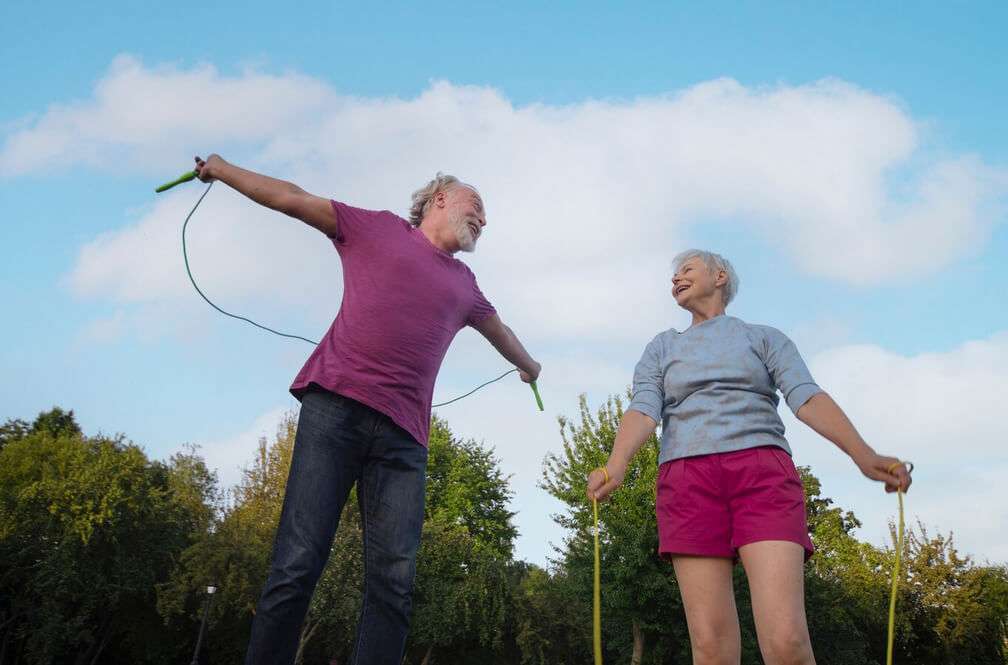
“I’m too old to start now.” “My body just can’t do what it used to.” “At my age, I should just accept these limitations.” If these thoughts sound familiar, you’re not alone – but you’re also not right about your body’s potential. The belief that age automatically disqualifies us from improvement is one of the most damaging myths in healthcare, preventing countless older adults from experiencing the transformative benefits of physical therapy. The truth is that your body’s capacity for healing, strengthening, and adapting doesn’t come with an expiration date. In fact, some of the most remarkable success stories in physical therapy come from individuals who decided to challenge their assumptions about aging and discovered capabilities they never knew they still had.
The Science That Shatters Age Limits
Neuroplasticity: Your Brain’s Timeless Ability to Change
One of the most groundbreaking discoveries in neuroscience is that our brains remain capable of forming new neural pathways throughout our entire lives. This phenomenon, called neuroplasticity, means that your 70-year-old brain can still learn new movement patterns, improve coordination, and adapt to physical challenges just as effectively as a younger brain – it simply requires consistent practice and the right approach.
When you begin physical therapy, you’re not just working your muscles; you’re literally rewiring your brain to support better movement, balance, and function. Every time you practice a new exercise or movement pattern, you’re strengthening neural connections that improve your body’s ability to perform that activity. This process doesn’t slow down significantly with age – what changes is often our willingness to challenge ourselves and provide our brains with new learning opportunities.
Research consistently shows that older adults who engage in regular physical therapy and exercise demonstrate improved cognitive function, better reaction times, and enhanced motor control. The brain-body connection remains robust throughout life, meaning that physical improvements directly support mental sharpness and overall wellbeing.
Muscle Memory and Cellular Renewal
Your muscles retain a remarkable memory for movement patterns learned throughout your lifetime. Even if you haven’t been active for years, your muscle fibers remember how to coordinate complex movements once they’re properly retrained. This muscle memory, combined with your body’s ongoing ability to build new muscle tissue, means that strength and function can be restored regardless of your starting point.
At the cellular level, your body is constantly regenerating itself. Muscle fibers can grow stronger and more efficient at any age when provided with appropriate stimulus through exercise and movement. Bone tissue continues to respond to weight-bearing activities by becoming denser and stronger. Even cartilage, long thought to be incapable of regeneration, has been shown to respond positively to gentle, consistent movement and strengthening exercises.
Real Stories of Transformation
Margaret’s Journey: From Walker to Hiking Trails
At 78, Margaret had resigned herself to using a walker after a series of falls left her fearful and unsteady. Her family worried about her living alone, and she had begun to consider assisted living options. Everything changed when her daughter convinced her to try physical therapy “just to see what was possible.”
Margaret’s initial assessment revealed significant muscle weakness and balance problems, but also tremendous potential for improvement. Her physical therapist started with simple seated exercises and gradually progressed to standing activities, balance training, and eventually outdoor walking practice. Within six months, Margaret had transitioned from walker to cane, and by her one-year mark, she was hiking local trails with her walking group.
“I thought my active days were behind me,” Margaret reflects. “I had no idea that my body was just waiting for the right kind of help to remember what it could do. Now I’m more active than I was ten years ago.”
Robert’s Recovery: Overcoming Decades of Inactivity
Robert, 68, hadn’t exercised regularly since his twenties. Years of desk work had left him with chronic back pain, poor posture, and the belief that his body was “just worn out.” When his back pain became severe enough to interfere with sleep and daily activities, his wife finally convinced him to seek help.
His physical therapist took a gentle, gradual approach, starting with basic postural exercises and pain management techniques. Robert was skeptical that such simple movements could make a difference, but within weeks, he noticed improvements in his pain levels and sleep quality. As his confidence grew, so did his willingness to try more challenging exercises.
Eighteen months later, Robert has completed his first 5K walk, maintains a regular exercise routine, and reports feeling “20 years younger.” His back pain is minimal, his posture has improved dramatically, and he’s discovered a love for strength training that surprises everyone who knew the sedentary man he used to be.
Eleanor’s Balance Breakthrough
After a minor fall in her kitchen, Eleanor, 72, developed an intense fear of falling that began to control her life. She stopped cooking, avoided stairs, and rarely left her house alone. Her world was shrinking, and depression was setting in when her physician recommended balance-focused physical therapy.
Eleanor’s therapist understood that addressing her physical balance was only part of the solution – rebuilding her confidence was equally important. They started with simple balance exercises while holding onto sturdy support, gradually progressing to more challenging activities as Eleanor’s skills and confidence improved.
The breakthrough came when Eleanor successfully navigated an obstacle course designed to simulate real-world challenges like uneven sidewalks and crowded spaces. “I realized I was stronger and more capable than I had given myself credit for,” she says. “Physical therapy didn’t just improve my balance – it gave me my life back.”
The Gentle Revolution: Age-Appropriate Approaches
Starting Where You Are, Not Where You Think You Should Be
The most effective senior physical therapy programs begin with a simple principle: meeting you exactly where you are today. There’s no shame in starting with basic movements, using supportive equipment, or progressing slowly. Every successful journey begins with that first step, regardless of how small it might seem.
Modern physical therapy for older adults emphasizes functional movements that directly relate to daily activities. Rather than focusing on arbitrary fitness standards, therapists help you build the specific strength, balance, and flexibility needed for the activities that matter most to you. Whether that’s playing with grandchildren, maintaining your garden, or simply walking to the mailbox with confidence, your goals drive the treatment approach.
Progressive Overload: The Secret to Continued Improvement
The principle of progressive overload – gradually increasing the challenge of exercises as your body adapts – works just as effectively for older adults as it does for younger populations. The key difference is in the rate and method of progression. Where a younger person might increase weights or repetitions weekly, older adults might progress monthly or even more gradually, and that’s perfectly appropriate.
Your physical therapist will carefully monitor your response to exercises and adjust the program accordingly. Some days you might feel capable of more challenging activities, while others might require a gentler approach. This flexibility and individualization are hallmarks of excellent senior physical therapy programs.
Pain vs. Discomfort: Learning the Difference
One of the most important skills older adults learn in physical therapy is distinguishing between harmful pain and the normal discomfort associated with strengthening and mobility work. Many seniors have been told to avoid any activity that causes discomfort, leading to a cycle of inactivity and further decline.
Skilled physical therapists teach you to recognize the difference between sharp, concerning pain that signals potential injury and the temporary muscle fatigue or mild soreness that indicates your body is adapting to new challenges. This education is crucial for building confidence and ensuring safe, effective progress.
Overcoming Common Barriers and Fears
“I Don’t Want to Look Foolish”
The fear of appearing incapable or clumsy in front of others is one of the most common barriers preventing older adults from seeking physical therapy. This concern is understandable but entirely unfounded in professional therapeutic settings. Physical therapists work with individuals of all ability levels daily and are trained to create supportive, non-judgmental environments where you can work on your goals without embarrassment.
Many clinics offer senior-specific programs or private treatment options for those who prefer more individualized attention. Group classes designed for older adults can also provide wonderful peer support and the reassurance that comes from working alongside others with similar challenges and goals.
“What If I Get Hurt?”
The fear of injury during physical therapy is ironic, given that the goal is to prevent injuries and improve safety. Professional physical therapists are experts in designing safe, appropriate exercise programs that minimize injury risk while maximizing benefits. They’re trained to recognize warning signs, modify activities as needed, and ensure that you’re working within safe parameters at all times.
The reality is that the risk of injury from well-supervised physical therapy is extremely low, while the risk of injury from continued inactivity and declining function is quite high. Falls, fractures, and other age-related injuries are far more likely when muscle weakness, balance problems, and mobility limitations go unaddressed.
“I Can’t Afford It” or “Insurance Won’t Cover It”
Financial concerns are valid, but many older adults are surprised to learn about the coverage options available to them. Medicare and most insurance plans provide coverage for physical therapy when it’s deemed medically necessary. Additionally, many clinics offer payment plans, senior discounts, or community programs that make treatment more accessible.
When considering cost, it’s important to weigh the expense of physical therapy against the potential costs of falls, injuries, loss of independence, or premature nursing home placement. Preventive physical therapy is one of the most cost-effective healthcare investments you can make.
The Gradual Progression Method
Week 1-4: Foundation Building
Your physical therapy journey typically begins with comprehensive assessment and gentle foundation-building exercises. This phase focuses on establishing safe movement patterns, addressing any pain or discomfort, and beginning to build basic strength and flexibility. Exercises might include:
- Seated strengthening exercises using resistance bands
- Gentle range-of-motion activities
- Basic balance exercises with hand support
- Postural awareness and breathing techniques
- Pain management strategies
The goal during this phase isn’t dramatic improvement but rather establishing confidence, comfort with the therapeutic process, and a solid foundation for future progress.
Week 5-12: Skill Development
As your body adapts and your confidence grows, exercises become more challenging and functional. This phase introduces activities that more closely mimic real-world tasks and begin to challenge your balance, coordination, and strength in more dynamic ways:
- Standing balance exercises with varying support levels
- Functional movements like sit-to-stand practice
- Walking programs with distance and speed progression
- Stair climbing practice (when appropriate)
- Light resistance training with weights or machines
Many people are surprised by how much improvement they see during this phase, often surpassing their initial expectations for what was possible.
Month 4 and Beyond: Advanced Function and Maintenance
The advanced phase focuses on higher-level activities, community mobility, and developing strategies for long-term maintenance of gains. Activities might include:
- Complex balance challenges and reaction training
- Sports-specific or hobby-related movements
- Advanced strength training programs
- Outdoor mobility practice
- Fall prevention strategies for real-world scenarios
At this stage, many older adults discover capabilities they hadn’t experienced in years or even decades.
Building Confidence Through Small Wins
Celebrating Every Victory
In physical therapy, progress is measured in many ways beyond just strength or endurance improvements. Your first successful transition from sitting to standing without using your arms might be as significant as walking a mile. Being able to reach overhead to get a dish from a high shelf, walking up a flight of stairs without breathlessness, or simply feeling steady on your feet – these seemingly small victories represent major improvements in independence and quality of life.
Your physical therapist will help you recognize and celebrate these achievements, building confidence that motivates continued progress. Many older adults find that success in physical therapy creates a positive momentum that extends to other areas of their lives.
The Ripple Effect of Physical Improvement
The benefits of physical therapy extend far beyond the specific exercises and activities practiced in the clinic. Improved strength and balance lead to greater confidence in daily activities. Better posture and reduced pain contribute to improved sleep and mood. Increased activity levels support better cardiovascular health and cognitive function.
Many older adults report that physical therapy serves as a catalyst for broader lifestyle changes. Success in the clinic motivates them to become more active overall, eat better, engage more socially, and approach aging with a more positive, proactive mindset.
Creating Your Personal Success Story
Taking the First Step
The hardest part of any journey is often just beginning. If you’ve been considering physical therapy but holding back due to age-related concerns, consider this your invitation to challenge those limiting beliefs. Your body is more capable than you think, and professional physical therapists are experts at helping you discover and develop that capability safely and effectively.
Start by having an honest conversation with your physician about your concerns and goals. Most doctors are strong advocates for physical therapy and can provide referrals to appropriate providers. Don’t let fear or misconceptions keep you from exploring what might be possible.
Setting Realistic Expectations
Success in physical therapy isn’t about turning back the clock or achieving the same capabilities you had decades ago. It’s about maximizing your current potential, improving function for activities that matter to you, and maintaining independence for as long as possible. Your 75-year-old body won’t perform like your 25-year-old body, but it can perform far better than your inactive 75-year-old body.
Work with your physical therapist to set meaningful, achievable goals that align with your values and priorities. Whether that’s being able to play on the floor with grandchildren, maintaining your home independently, or traveling with confidence, your goals should drive your treatment approach.
The Long-Term Perspective
Physical therapy isn’t a quick fix but rather an investment in your long-term health and independence. The habits, skills, and strength you develop through therapy will serve you for years to come. Many successful clients continue with modified exercise programs long after formal therapy ends, maintaining and even building upon their initial gains.
Think of physical therapy as learning a new language – the language of healthy movement and self-care. Once you become fluent in this language, you’ll have tools and knowledge that will benefit you for the rest of your life.
The Time Is Now
Every day you wait to address mobility limitations, balance problems, or strength deficits is another day those issues potentially worsen. Age-related changes are often gradual, making it easy to adapt to limitations without realizing how much function has been lost. Physical therapy can help you reclaim abilities you didn’t even realize you were missing.
The older adults who maintain independence and vitality into their 80s, 90s, and beyond aren’t just lucky – they’re proactive. They challenge age-related stereotypes, seek appropriate help when needed, and refuse to accept limitations that aren’t truly necessary. They understand that aging gracefully requires effort and intention, not passive acceptance of decline.
Your chronological age is just one factor in determining your physical capabilities. Your attitude, willingness to try new approaches, and commitment to your health are far more predictive of success in physical therapy than the number on your driver’s license.
The physical therapy professionals at Gordon Physical Therapy] specialize in helping older adults overcome age-related barriers to treatment and discover their body’s remarkable capacity for improvement. Our experienced team understands the unique challenges and concerns of seniors, creating individualized programs that prioritize safety while maximizing results. We’ve helped countless individuals throughout Spokane Valley, WA break through limiting beliefs about aging and achieve levels of function and independence they thought were no longer possible.
Whether you’re dealing with chronic pain, recovering from an injury, concerned about fall risk, or simply want to maintain your current abilities, we’re here to meet you where you are and help you reach your goals. Our gentle, progressive approach ensures that you’ll feel supported and confident throughout your journey, celebrating every victory along the way.
Don’t let another day pass believing that improvement isn’t possible at your age. Call 509.892.5442today to schedule your consultation and discover what your body is truly capable of achieving. Your most confident, independent years may still be ahead of you – let us help you make them a reality.
"Tell Us Where It Hurts..."
And we'll send you our best advice and top tips in one special report...
It's FREE! Just look below and find the one that works best for you...


Monday 7:00 am - 6:00 pm
Tuesday 7:00 am - 6:00 pm
Wednesday 7:00 am - 6:00 pm
Thursday 7:00 am - 6:00 pm
Friday 7:00 am - 5:00 pm
Saturday Closed
Sunday Closed
Gordon Physical Therapy - Spokane Valley, WA
626 North Mullan Road #4, Spokane Valley, WA 99206
© 2024 Gordon Physical Therapy