
Concussions in Spring Sports: Managing PCS with PT
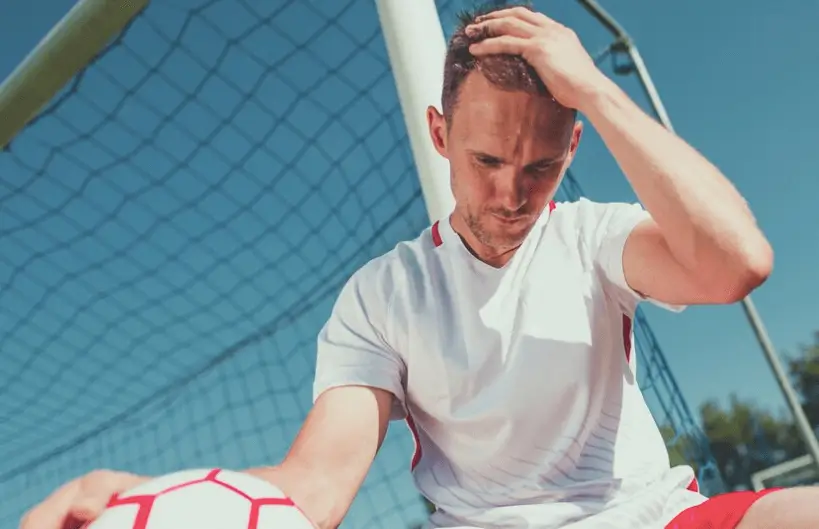
Spring sports like soccer, lacrosse, and baseball bring athletes back to fields and courts, fueled by the season’s energy. While these activities invigorate, they also carry risks, with concussions being a significant concern. A concussion, a mild traumatic brain injury, can lead to post-concussive syndrome (PCS) if symptoms persist beyond the typical recovery period. Unlike shin splints, which dominated April’s injury conversations, PCS requires a specialized approach to manage symptoms and ensure a safe return to play. Physical therapy offers effective strategies, including vestibular exercises, gradual return-to-play protocols, and symptom management, to help athletes recover fully and thrive.
Understanding Concussions and Post-Concussive Syndrome
A concussion occurs when a blow or jolt to the head disrupts normal brain function, often from a collision, fall, or hit during sports. Symptoms like headaches, dizziness, and confusion typically resolve within 7-10 days with rest. However, for some athletes, symptoms linger, leading to post-concussive syndrome. PCS is characterized by persistent issues such as balance problems, sensitivity to light, difficulty concentrating, and fatigue, which can disrupt both athletic performance and daily life. Recognizing and addressing PCS early is critical to preventing long-term complications and supporting a safe return to spring sports.
Why PCS Matters in Spring Sports
Spring sports often involve high-speed movements, physical contact, and unpredictable plays, increasing concussion risk. Young athletes, whose brains are still developing, are particularly vulnerable to prolonged recovery if PCS develops. Unlike shin splints, which involve localized muscle and bone stress, PCS affects the brain and nervous system, requiring a nuanced approach. Physical therapy plays a pivotal role by addressing symptoms holistically, helping athletes regain confidence and function while minimizing the risk of re-injury.
The Impact of PCS on Athletes
PCS can be frustrating for athletes eager to return to their sport. Symptoms like dizziness and poor balance make it difficult to sprint, pivot, or react quickly, while cognitive issues, such as trouble focusing, can affect game strategy and school performance. Emotional challenges, including irritability or anxiety, may also arise, complicating recovery. Left unaddressed, PCS can prolong an athlete’s time on the sidelines and increase the risk of further concussions. Physical therapy offers targeted interventions to tackle these multifaceted symptoms, ensuring a comprehensive recovery.
Common Symptoms of PCS
PCS symptoms vary widely but often include headaches, vertigo, light or noise sensitivity, and difficulty with coordination. Athletes may feel unsteady during dynamic movements, such as cutting in soccer or swinging a bat in baseball. Cognitive symptoms, like brain fog or memory lapses, can hinder decision-making on the field. Physical therapists assess these symptoms to create individualized plans, focusing on restoring balance, coordination, and mental clarity to prepare athletes for the demands of their sport.
Physical Therapy Strategies for PCS Management
Physical therapy is a cornerstone of PCS recovery, offering evidence-based techniques to address symptoms and guide athletes back to play. Unlike general rest, which may not suffice for persistent symptoms, PT provides active rehabilitation tailored to the athlete’s needs. Key strategies include vestibular exercises, gradual return-to-play protocols, and symptom management, each designed to rebuild function safely and effectively.
Vestibular Exercises for Balance and Coordination
Vestibular exercises target the inner ear and brain systems responsible for balance and spatial orientation, which are often disrupted in PCS. A common exercise is gaze stabilization: the athlete focuses on a stationary object, like a fingertip held at arm’s length, while turning their head side to side for 30 seconds. This strengthens the vestibular system, reducing dizziness during quick movements. Another exercise involves standing on one leg with eyes closed for 20 seconds, progressing to uneven surfaces as balance improves. These exercises, guided by a physical therapist, help athletes regain stability for sports-specific tasks like dodging opponents or tracking a ball.
Gradual Return-to-Play Protocols
Returning to sports too soon after a concussion can worsen PCS and risk further injury. Physical therapists use gradual return-to-play protocols to ensure a safe progression. This process typically follows a six-stage framework, starting with light aerobic activity, such as walking or stationary cycling, and advancing to sport-specific drills, non-contact practice, full-contact practice, and finally, competitive play. Each stage requires the athlete to be symptom-free before progressing, with close monitoring by the therapist. For example, a lacrosse player might begin with stick-handling drills before joining team scrimmages. This structured approach minimizes setbacks and builds confidence.
Symptom Management Techniques
Managing PCS symptoms is critical to recovery. For headaches, physical therapists may use gentle cervical stretches, such as tilting the head to one side for 20 seconds, to relieve neck tension that exacerbates pain. To address light sensitivity, athletes can practice in shaded areas or wear tinted glasses during outdoor sessions. Cognitive rest, like limiting screen time, complements physical therapy by reducing mental fatigue. Therapists also teach paced breathing inhaling for four counts, exhaling for six to calm the nervous system and ease anxiety. These techniques empower athletes to manage symptoms both on and off the field.
Integrating PT into a Spring Sports Schedule
Balancing PCS recovery with spring sports commitments can feel challenging, especially for student-athletes juggling practices, games, and academics. Physical therapy sessions, typically 30-60 minutes, can be scheduled around practices or school hours. Home exercises, like vestibular drills or stretches, take just 10-15 minutes daily and can be done in a dorm, locker room, or at home. Consistency is key athletes who adhere to their PT plan often see faster symptom resolution and a smoother return to play.
Collaborating with Coaches and Trainers
Physical therapists work closely with coaches and athletic trainers to align PT goals with team expectations. For example, a therapist might recommend modified drills, such as low-intensity passing in soccer, to keep the athlete engaged without overexertion. Clear communication ensures everyone understands the athlete’s progress and limitations, fostering a supportive environment for recovery. Parents and athletes should also share updates on symptoms to adjust the plan as needed.
Preventing Future Concussions
While physical therapy focuses on PCS recovery, it also equips athletes with tools to reduce future concussion risks. Strengthening neck muscles through isometric exercises, like pressing the head against a hand for five seconds, improves head stability during impacts. Balance training, such as standing on a foam pad, enhances body control, helping athletes avoid falls. Education on proper technique keeping the head up during tackles or wearing fitted helmets further minimizes risk. These preventive measures empower athletes to play confidently and safely throughout the spring season.
Long-Term Benefits of PT
Beyond PCS recovery, physical therapy fosters resilience and body awareness, benefiting athletes in all seasons. Improved balance and coordination enhance performance, while better posture reduces strain during long practices. The mental discipline gained from following a PT plan translates to sharper focus in games and academics. By investing in PT, athletes build a foundation for sustained athletic success and overall well-being.
When to Seek Professional Care
PCS requires professional oversight to ensure safe recovery. If symptoms persist beyond two weeks post-concussion or worsen with activity, consult a physical therapist specializing in concussion management. They can conduct a comprehensive assessment, including balance tests and symptom tracking, to design a tailored plan. Athletes with a history of concussions or severe symptoms may need additional medical evaluation. Early intervention prevents prolonged recovery and helps athletes return to spring sports with confidence.
Returning to the Game with Confidence
Concussions and post-concussive syndrome can sideline spring athletes, but physical therapy offers a clear path to recovery. Through vestibular exercises, gradual return-to-play protocols, and symptom management, PT addresses the complex challenges of PCS, helping athletes regain balance, focus, and strength. Unlike shin splints, which require localized treatment, PCS demands a holistic approach to heal the brain and body. With the right care, athletes can return to soccer fields, lacrosse games, and baseball diamonds ready to perform at their best.
Ready to recover from PCS and get back in the game? Visit Gordon Physical Therapy in Spokane Valley, WA, where our expert physical therapists specialize in concussion management. Call us today at 509.892.5442 to schedule your consultation and start your journey to a safe, confident return to spring sports!
"Tell Us Where It Hurts..."
And we'll send you our best advice and top tips in one special report...
It's FREE! Just look below and find the one that works best for you...


Monday 7:00 am - 6:00 pm
Tuesday 7:00 am - 6:00 pm
Wednesday 7:00 am - 6:00 pm
Thursday 7:00 am - 6:00 pm
Friday 7:00 am - 5:00 pm
Saturday Closed
Sunday Closed
Gordon Physical Therapy - Spokane Valley, WA
626 North Mullan Road #4, Spokane Valley, WA 99206
© 2024 Gordon Physical Therapy