
Managing Endometriosis Pain Through Movement
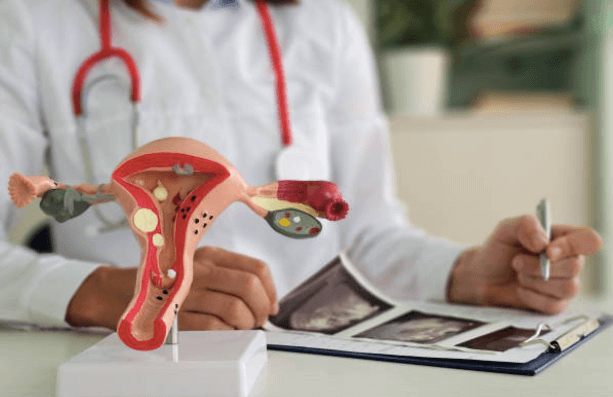
Endometriosis affects approximately 1 in 10 women of reproductive age, causing severe pain, inflammation, and often significantly impacting quality of life. This chronic condition occurs when tissue similar to the lining of the uterus grows outside the uterine cavity, commonly on the ovaries, fallopian tubes, and tissue lining the pelvis. While medical treatments and surgical interventions play crucial roles in managing endometriosis, a growing body of evidence suggests that specific types of movement and exercise can help alleviate symptoms and improve overall well-being for those living with this challenging condition.
Understanding Endometriosis and Its Impact on Movement
Endometriosis can create a complex relationship with physical activity. The severe pelvic pain, cramping, and fatigue that characterize the condition often make movement seem daunting or even impossible during flare-ups. Many women report feeling caught in a difficult cycle – movement can help reduce symptoms, but pain sometimes prevents them from being active in the first place.
The condition affects each person differently, with symptoms ranging from mild discomfort to debilitating pain. Common physical manifestations include chronic pelvic pain, painful periods (dysmenorrhea), pain during intercourse (dyspareunia), painful bowel movements or urination, excessive bleeding, and fatigue. These symptoms can restrict movement capabilities and create compensatory movement patterns as the body attempts to avoid pain.
Beyond the physical symptoms, endometriosis can trigger significant psychological impacts including anxiety, depression, and feelings of isolation. The unpredictable nature of symptom flare-ups makes establishing consistent exercise routines challenging, leading some women to avoid physical activity altogether out of fear of exacerbating symptoms.
Understanding these unique challenges is essential for developing effective movement strategies. Rather than following generic exercise recommendations, women with endometriosis benefit from customized approaches that respect pain boundaries while gradually building activity tolerance. The goal isn’t high-intensity performance but rather finding sustainable movement patterns that reduce rather than aggravate symptoms.
The Science Behind Movement and Pain Management
Research increasingly supports the role of appropriate physical activity in managing chronic pain conditions, including endometriosis. Several physiological mechanisms explain why certain types of movement can help alleviate endometriosis symptoms when properly implemented.
Exercise stimulates the production of endorphins, the body’s natural pain relievers. These neurochemicals bind to opioid receptors in the brain, reducing pain perception and creating feelings of well-being. Regular physical activity sustains elevated endorphin levels, potentially helping manage the chronic pain associated with endometriosis.
Movement also modulates inflammation, a key factor in endometriosis pain. Moderate exercise has anti-inflammatory effects, helping to reduce the inflammatory markers associated with the condition. A 2018 study published in the Journal of Physical Therapy Science found that women with endometriosis who participated in regular moderate exercise reported reduced pain scores and inflammatory markers compared to sedentary controls.
Improved circulation represents another benefit of movement for endometriosis sufferers. Exercise increases blood flow throughout the body, including the pelvic region, potentially helping to reduce congestion and associated pain. Better circulation may also enhance the delivery of nutrients and removal of waste products from tissues affected by endometriosis.
Regular physical activity helps maintain or improve core strength and pelvic floor function. A strong, balanced core provides better support for pelvic organs and can reduce mechanical strain on tissues affected by endometriosis adhesions. Proper pelvic floor function is particularly important, as both excessive tension and weakness can contribute to pain.
Perhaps most significantly, appropriate movement helps interrupt the pain-tension cycle that often develops with chronic pain conditions. When we experience pain, muscles instinctively tense as a protective mechanism. This tension can compress blood vessels, irritate nerves, and create additional pain, perpetuating a difficult cycle. Gentle, mindful movement helps break this pattern by promoting muscle relaxation and teaching the nervous system that movement doesn’t have to equal pain.
Types of Movement Beneficial for Endometriosis
Not all forms of exercise affect endometriosis symptoms equally. Certain movement modalities show particular promise for symptom management based on both research evidence and clinical experience.
Gentle yoga offers multiple benefits for endometriosis sufferers. The combination of controlled breathing, mindful movement, and stress reduction helps manage pain through several pathways. Specific poses like Child’s Pose, Reclining Bound Angle Pose, and gentle supine twists can help release tension in the pelvic area and promote relaxation. A 2017 study in the Journal of Alternative and Complementary Medicine found that women practicing yoga twice weekly for eight weeks reported significant reductions in pelvic pain and improvements in quality of life.
Walking represents one of the most accessible and beneficial forms of exercise for endometriosis management. This low-impact activity improves circulation, releases endorphins, and can be easily modified based on symptom levels. Starting with short, gentle walks during less symptomatic periods and gradually building duration often proves more effective than attempting longer, more intense sessions sporadically.
Swimming and water-based exercises provide excellent options due to water’s buoyancy, which reduces pressure on the pelvic region while still allowing for effective movement. The hydrostatic pressure of water also improves circulation and can help reduce swelling and inflammation. Many women with endometriosis report being able to move more comfortably in water than on land, particularly during symptom flare-ups.
Pilates focuses on developing core strength, proper alignment, and controlled, mindful movement – all particularly relevant for endometriosis management. The emphasis on breathing techniques and precise movements helps improve body awareness and develop the deep core muscles that support pelvic organs. Modified Pilates exercises, particularly those performed in neutral spine positions, can strengthen the abdomen and back without increasing intra-abdominal pressure.
Tai Chi combines slow, flowing movements with deep breathing and mental focus, making it well-suited for chronic pain conditions. The gentle nature of the movements minimizes the risk of symptom aggravation while still providing benefits for balance, strength, and stress reduction. Research published in the Journal of Pain Research suggests that Tai Chi’s mind-body approach helps modulate pain processing systems and improve pain tolerance.
Tension release exercises specifically target the holding patterns that develop in response to chronic pelvic pain. Techniques like gentle pelvic tilts, hip circles, and mindful relaxation of the abdomen, buttocks, and inner thighs can help release muscle guarding around painful areas. These subtle movements often provide relief even during more intense symptom periods when other activities might feel overwhelming.
Designing a Movement Program for Endometriosis
Creating an effective movement program for endometriosis requires a personalized approach that respects the cyclical nature of symptoms and establishes appropriate progression strategies.
Tracking symptoms in relation to your menstrual cycle helps identify patterns and plan movement accordingly. Many women find their symptoms worsen just before and during menstruation, making this a time to focus on gentler options like relaxation techniques and tension release exercises. During less symptomatic phases, more active movement might be better tolerated, allowing for gradual strength and endurance building.
Starting slowly and building gradually is essential for sustainable progress. Begin with 5-10 minutes of gentle movement daily rather than attempting longer sessions less frequently. This approach helps the nervous system adapt positively to movement rather than perceiving it as a threat. As tolerance improves, gradually increase duration before intensifying effort.
Respecting pain signals doesn’t mean avoiding all uncomfortable sensations, but it does require distinguishing between different types of discomfort. Mild muscle tension that eases as you continue moving is often acceptable, while sharp, stabbing, or intensifying pain indicates the need to modify or stop the activity. Learning this self-awareness takes time but becomes an invaluable skill for managing endometriosis long-term.
Incorporating rest breaks and restorative positions throughout movement sessions helps prevent symptom provocation. Simple positions like lying with knees bent and feet flat, gentle child’s pose, or side-lying with a pillow between the knees provide opportunities to reset when tension begins building. These breaks aren’t failures but rather strategic components of an effective program.
Breathing techniques significantly impact the effectiveness of movement for pain management. Diaphragmatic breathing (deep belly breathing) activates the parasympathetic nervous system, promoting relaxation and reducing pain sensitivity. Practice coordinating breath with movement, generally inhaling during extension movements and exhaling during flexion to optimize core support and minimize pressure on sensitive areas.
Working with qualified healthcare providers ensures a safe, effective approach. Physical therapists specializing in women’s health or pelvic floor therapy can provide individualized assessment and treatment strategies. These specialists can identify specific movement restrictions, muscle imbalances, or tension patterns contributing to your symptoms and design targeted interventions accordingly.
Movement Modifications During Symptom Flares
Even with careful planning, endometriosis flare-ups occur, requiring adaptability in your movement approach. Developing strategies for these challenging periods helps maintain some activity level rather than completely stopping movement, which can lead to deconditioning and potentially worse symptoms long-term.
Gentle range of motion exercises performed in comfortable positions help maintain mobility without aggravating pain. Simple movements like ankle circles, wrist rotations, shoulder rolls, and gentle neck stretches keep the body moving without stressing sensitive areas. These can be performed in supported positions like lying down or seated to minimize strain on the pelvic region.
Heat therapy combined with movement often provides greater relief than either approach alone. Apply a heating pad to the lower abdomen or lower back for 10-15 minutes before gentle movement to increase circulation and reduce muscle tension. Some women find alternating heat with gentle movement sessions throughout the day particularly effective during flare-ups.
Restorative poses from yoga offer another valuable option during difficult periods. Positions like supported bridge pose (using pillows under the hips), legs-up-the-wall pose, and reclined bound angle pose with bolster support provide gentle stretching while promoting relaxation. Holding these positions for 5-10 minutes while practicing deep breathing can significantly reduce pelvic discomfort.
Seated or reclined movements minimize gravitational stress on the pelvic organs while still allowing beneficial activity. Chair-based exercises like seated marches, gentle spinal rotations, and arm movements maintain circulation and joint mobility. For reclined options, gentle supine knee rolls, pelvic tilts, and glute bridges offer ways to move the pelvis with support.
Visualization techniques complement physical movement during flare-ups. Practicing simple movements with visualization before attempting them physically can reduce guarding and anxiety. Visualize areas of tension softening and imagine oxygen flowing to painful regions as you breathe deeply. This mental rehearsal helps prepare the nervous system for actual movement.
Adapting expectations during flare-ups represents an important aspect of long-term success. Redefine “success” during these periods – sometimes, five minutes of gentle movement constitutes a significant achievement. This flexible mindset prevents discouragement and supports consistency through the natural symptom fluctuations of endometriosis.
Addressing Specific Endometriosis Challenges Through Movement
Certain symptoms and complications of endometriosis benefit from targeted movement approaches that address their specific mechanisms.
Adhesions – bands of scar tissue that can bind organs together – represent a common complication of endometriosis. Gentle mobility exercises help maintain tissue pliability and prevent further restriction. Techniques like cat-cow movements, gentle side bending, and controlled rotational movements performed within a pain-free range help maintain mobility in tissues affected by adhesions. Consistent, gentle movement proves more effective than occasional aggressive stretching, which might increase inflammation.
Bloating and digestive discomfort frequently accompany endometriosis, particularly when the condition affects the bowel. Specific movements can help relieve these symptoms by enhancing digestive function. Gentle supine knee-to-chest holds, seated gentle torso rotations, and walking after meals all help stimulate intestinal movement. Diaphragmatic breathing exercises also massage the internal organs and promote better digestive function.
Fatigue presents a significant challenge for many endometriosis sufferers. Rather than pushing through exhaustion with vigorous exercise, which often backfires, energy conservation techniques combined with strategic movement yield better results. Breaking activity into short sessions throughout the day, prioritizing movement that feels energizing rather than depleting, and incorporating more restorative practices during low-energy periods helps manage fatigue while still maintaining activity.
Pelvic floor dysfunction frequently coexists with endometriosis, with many women developing either hypertonicity (excessive tension) or weakness in these important muscles. Working with a pelvic floor physical therapist helps identify specific issues and develop appropriate exercises. For hypertonic pelvic floors, relaxation techniques and gentle lengthening exercises prove beneficial, while weakness requires targeted strengthening within pain tolerance.
Sleep disturbances commonly affect those with endometriosis, creating a difficult cycle as poor sleep often increases pain sensitivity. Gentle evening movement routines incorporating relaxation techniques can help prepare the body for sleep. Light stretching, progressive muscle relaxation, and breathing exercises performed about an hour before bedtime often improve sleep quality without stimulating the body excessively.
Integrating Mind-Body Approaches
The connection between physical symptoms and psychological state is particularly relevant for endometriosis management. Integrating mind-body techniques with movement enhances effectiveness through several mechanisms.
Mindfulness practices cultivate present-moment awareness without judgment, helping interrupt the cycle of pain catastrophizing that often accompanies chronic conditions. Applied to movement, mindfulness involves paying attention to sensations, thoughts, and emotions that arise during activity without automatically reacting to them. This awareness helps identify early warning signs of symptom increases and distinguish between harmful pain and temporary discomfort.
Breathing techniques directly influence the nervous system’s state. Slow, diaphragmatic breathing activates the parasympathetic (“rest and digest”) system, reducing stress hormones that can amplify pain perception. Practicing techniques like 4-7-8 breathing (inhale for 4 counts, hold for 7, exhale for 8) or box breathing (equal counts of inhale, hold, exhale, hold) during movement creates a powerful combined intervention for pain management.
Body scanning involves systematically directing attention through the body to identify areas of tension or discomfort. Performing brief body scans before, during, and after movement sessions helps detect subtle holding patterns that might contribute to pain. When tension is identified, consciously releasing those areas while continuing gentle movement often provides immediate relief and prevents compensatory patterns from developing.
Self-compassion practices counteract the frustration and disappointment that sometimes arise when living with a chronic condition that limits activity. Treating yourself with the same kindness you would offer a friend struggling with similar challenges reduces the stress that can exacerbate symptoms. Acknowledge the challenge of moving with endometriosis, celebrate small victories, and adjust expectations when needed without harsh self-judgment.
Stress management techniques complement movement practices in managing endometriosis symptoms. Chronic stress increases inflammation and sensitizes pain pathways, potentially worsening endometriosis symptoms. Integrating stress-reduction strategies like progressive muscle relaxation, guided imagery, or brief meditation with movement routines creates synergistic benefits greater than either approach alone.
Nutrition and Hydration to Support Movement
While nutrition alone doesn’t cure endometriosis, dietary choices significantly impact how well women tolerate movement and exercise with the condition.
Anti-inflammatory foods help create an internal environment more conducive to comfortable movement. Emphasize colorful fruits and vegetables, fatty fish rich in omega-3 fatty acids, nuts, seeds, olive oil, and turmeric. These foods help modulate the inflammatory processes involved in endometriosis pain. Conversely, reducing processed foods, excessive sugar, and inflammatory fats may improve symptom management.
Timing nutrition around movement sessions influences how well exercise is tolerated. Light, easily digestible meals or snacks consumed 1-2 hours before activity generally provide energy without causing digestive discomfort. Good options include fruit with a small amount of nut butter, yogurt with berries, or half a whole grain sandwich. Experiment to find what works best for your body.
Proper hydration plays a crucial role in managing endometriosis symptoms during movement. Dehydration can increase muscle tension and exacerbate pain, while adequate fluid intake helps maintain proper tissue function and supports the body’s natural detoxification processes. Aim to drink water consistently throughout the day rather than large amounts right before exercise.
Some women with endometriosis find that certain foods trigger or worsen symptoms, though these vary significantly between individuals. Common triggers include alcohol, caffeine, gluten, and dairy products. Keeping a food and symptom journal helps identify personal triggers, allowing for dietary adjustments that support more comfortable movement.
Recovery nutrition after movement sessions supports tissue repair and reduces inflammation. Including protein, anti-inflammatory fats, and antioxidant-rich foods in post-exercise meals or snacks optimizes recovery. Simple options include smoothies with protein and berries, Mediterranean-style salads with fish or legumes, or vegetable soups with lean protein.
Building a Supportive Movement Environment
The physical and social environment significantly impacts movement sustainability for women with endometriosis.
Creating a comfortable physical space for movement makes regular practice more accessible, particularly during symptomatic periods. Designate an area in your home with supportive surfaces, any needed props (pillows, blankets, yoga blocks), and comfort items like heating pads or essential oils. Having this space readily available removes barriers to gentle movement during flare-ups.
Supportive clothing that doesn’t restrict or pressure the abdomen makes movement more comfortable. High-waisted, soft compression leggings often provide gentle support without constricting, while loose, layered tops accommodate bloating fluctuations. Some women find specialized activewear designed for menstrual discomfort helpful during symptomatic periods.
Finding understanding movement professionals can transform the exercise experience for women with endometriosis. Look for physical therapists specializing in women’s health, yoga teachers with therapeutic training, or personal trainers educated in chronic pain conditions. These professionals can provide modifications, validate experiences, and create truly individualized approaches.
Online and in-person support communities offer valuable resources for movement ideas and emotional support. Endometriosis-specific exercise groups, whether virtual or local, provide opportunities to share strategies and stay motivated. Seeing others managing similar challenges often inspires continued effort during difficult periods.
Educating family members and close friends about endometriosis and its impact on movement capabilities helps build a supportive network. When those around you understand the variable nature of the condition and recognize both visible and invisible limitations, they can provide appropriate encouragement without pressure.
Tracking Progress Beyond Pain Levels
Measuring success in an endometriosis movement program requires looking beyond traditional fitness metrics to capture meaningful improvements in quality of life and function.
Functional improvements often provide more relevant markers than pain ratings alone. Tracking your ability to perform daily activities with greater ease, whether that’s climbing stairs, carrying groceries, or playing with children, reflects real-world benefits of your movement practice. Note activities that become less exhausting or require fewer modifications over time.
Symptom variability tends to decrease with consistent, appropriate movement, even when some pain persists. Many women report more predictable symptoms, shorter flare durations, or reduced intensity over time. Track not just pain levels but patterns and recovery times to capture these changes.
Quality of life measurements provide comprehensive insight into program effectiveness. Consider aspects like sleep quality, energy levels, mood stability, and social participation. Improvements in these areas often precede significant pain reduction and represent meaningful progress in managing the condition.
Movement confidence and self-efficacy grow through successful experiences with physical activity. Notice when you feel more comfortable trying new movements, require less external validation before moving, or recover confidence more quickly after setbacks. This psychological progress translates to greater activity engagement over time.
Medication and intervention needs sometimes decrease with effective movement programs. While continuing to work closely with healthcare providers, track any reductions in pain medication usage, frequency of interventions needed, or changes in treatment recommendations that might reflect improved physical function.
Working With Healthcare Providers
Effectively managing endometriosis through movement requires collaboration with knowledgeable healthcare providers who understand both the condition and the role of physical activity in its management.
Physical therapists specializing in pelvic health provide valuable assessment and treatment for endometriosis-related movement challenges. These specialists can identify specific restrictions, muscle imbalances, or movement patterns contributing to pain and develop targeted interventions. Pelvic floor evaluation is particularly important, as dysfunction in these muscles frequently accompanies endometriosis and affects movement tolerance.
Gynecologists or reproductive endocrinologists manage the medical aspects of endometriosis, including hormonal treatments and surgical interventions when necessary. Discussing your movement program with these providers ensures coordination between physical and medical approaches. Share your movement experiences, including what helps and exacerbates symptoms, to inform treatment decisions.
Pain management specialists offer additional strategies that complement movement approaches for endometriosis. These may include interventional procedures, medication management, or complementary techniques like acupuncture. The goal is creating enough comfort to participate in appropriate movement, which then helps reduce reliance on passive interventions over time.
Mental health professionals support the psychological aspects of living with a chronic pain condition. Therapists specializing in chronic pain can provide strategies for managing pain anxiety, catastrophizing, and the emotional impact of activity limitations. Cognitive-behavioral techniques specifically targeting pain-related fear of movement often prove particularly helpful.
Integrative medicine practitioners sometimes offer complementary approaches that enhance movement tolerance. Modalities like acupuncture, therapeutic massage, or naturopathic medicine may help manage symptoms enough to participate more comfortably in movement. Discuss these options with your primary healthcare providers to ensure coordinated care.
Conclusion: Creating Your Personal Movement Journey
Living with endometriosis requires resilience, adaptability, and personalized strategies for managing symptoms. Movement, when approached thoughtfully, represents one of the most powerful tools available for improving quality of life with this challenging condition.
Begin your movement journey by gathering information about your unique endometriosis presentation. Track symptoms in relation to your cycle, note movement activities that help or hinder, and identify your current limitations and capabilities. This self-knowledge forms the foundation for an effective program.
Start with gentle, accessible movement forms that respect your current pain levels and gradually build a library of movements that consistently provide relief. Remember that progress with endometriosis isn’t linear – flexibility and adaptability remain essential as symptoms fluctuate.
Integrate mind-body practices to address both the physical and psychological aspects of the condition. The combination of appropriate physical movement with stress management, body awareness, and self-compassion creates a comprehensive approach to symptom management.
Build your support network of healthcare providers, movement professionals, and understanding community members who respect your experience and support your movement goals. This network provides both practical guidance and emotional reinforcement during challenging periods.
Remember that movement with endometriosis isn’t about conforming to standard exercise guidelines or achieving typical fitness goals. Success means finding sustainable activity that improves your quality of life, reduces symptom burden, and helps you participate more fully in meaningful activities.
If you’re struggling to develop an effective movement approach for endometriosis management, professional guidance can make a significant difference. Our specialized women’s health physical therapists at Gordon Physical Therapy have extensive experience working with endometriosis and other pelvic pain conditions. We offer individualized assessment, treatment, and movement prescription that addresses your specific needs and symptom patterns. Contact us at 509.892.5442 or visit our clinic at Spokane Valley, WA to begin your journey toward more comfortable movement and improved quality of life with endometriosis.
"Tell Us Where It Hurts..."
And we'll send you our best advice and top tips in one special report...
It's FREE! Just look below and find the one that works best for you...


Monday 7:00 am - 6:00 pm
Tuesday 7:00 am - 6:00 pm
Wednesday 7:00 am - 6:00 pm
Thursday 7:00 am - 6:00 pm
Friday 7:00 am - 5:00 pm
Saturday Closed
Sunday Closed
Gordon Physical Therapy - Spokane Valley, WA
626 North Mullan Road #4, Spokane Valley, WA 99206
© 2024 Gordon Physical Therapy