
The Secret to Aging Gracefully: How Physical Therapy Keeps You Independent Longer
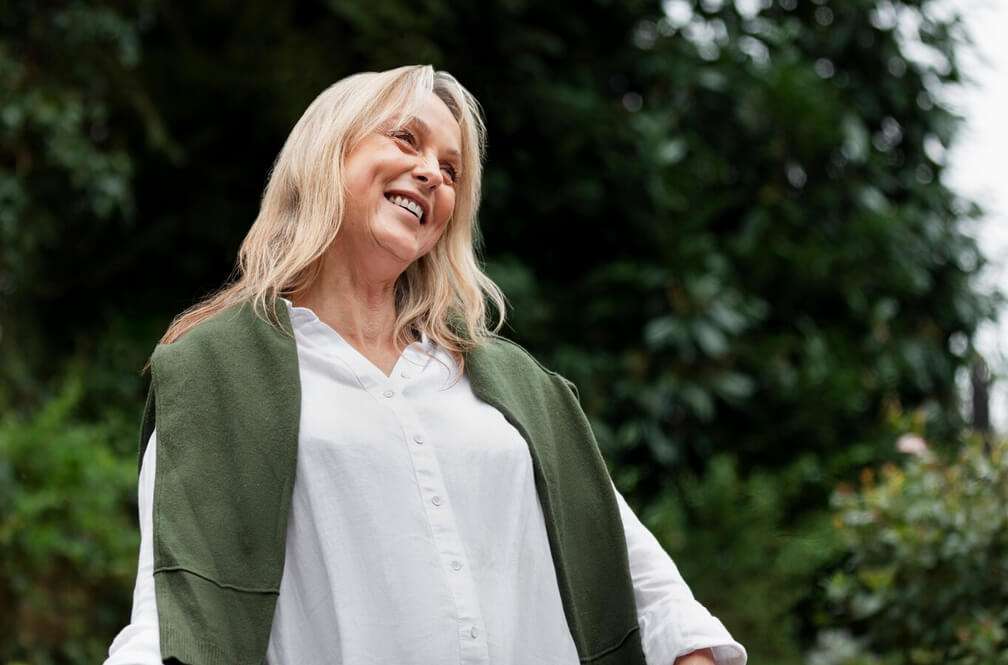
Growing older doesn’t have to mean giving up the activities you love or accepting a gradual decline in independence. While aging brings natural changes to our bodies, the difference between those who maintain their vitality and those who struggle with daily activities often comes down to one crucial factor: staying physically active and addressing age-related changes proactively. The truth is that senior physical therapy isn’t just about recovering from injuries or managing chronic conditions – it’s about maintaining the strength, balance, and mobility that allow you to continue living life on your own terms, aging in place with confidence and grace.
Debunking Common Myths About Aging and Physical Activity
Despite decades of research proving the benefits of staying active as we age, many older adults still receive outdated advice that can actually accelerate decline and reduce quality of life.
Myth: Exercise Is Too Risky for Older Adults The Truth: Appropriate exercise is one of the safest and most effective interventions for maintaining health and independence as we age. Senior physical therapy programs are specifically designed to be safe while addressing the unique needs of older adults. The real risk lies in inactivity, which leads to muscle weakness, bone loss, balance problems, and increased fall risk.
Myth: Balance Problems and Falls Are Just Part of Getting Older The Truth: While some age-related changes affect balance, significant balance problems and falls are not inevitable parts of aging. Fall prevention through targeted balance training and strength exercises can dramatically reduce fall risk and help seniors maintain confidence in their mobility. Many balance issues that seem like “normal aging” are actually correctable with proper intervention.
Myth: Once You Lose Strength and Mobility, You Can’t Get It Back The Truth: Older adults can make remarkable improvements in strength, flexibility, and functional ability regardless of their starting point. The body’s capacity for adaptation doesn’t disappear with age – it just requires the right approach and consistent effort. Many seniors are surprised by how much they can improve with appropriate physical therapy and exercise programs.
Understanding the Real Challenges of Aging
Aging brings predictable changes that can affect independence and quality of life, but understanding these changes allows for proactive strategies that can slow or even reverse many age-related declines.
The Hidden Decline: Sarcopenia
Sarcopenia, the age-related loss of muscle mass and strength, is one of the most significant threats to independence as we age. Beginning around age 30, adults lose approximately 3-8% of their muscle mass per decade, with the rate accelerating after age 60.
This muscle loss isn’t just about looking less toned – it directly impacts functional abilities. Weakened leg muscles make it harder to rise from chairs, climb stairs, or walk distances. Reduced core strength affects balance and posture. Weakened arms make it difficult to carry groceries, lift objects, or perform household tasks.
The good news is that sarcopenia is largely preventable and reversible through appropriate strength training. Senior physical therapy programs focus on functional strength exercises that target the muscles most important for daily activities, helping older adults maintain or even increase their strength and muscle mass.
Balance: The Foundation of Independence
Balance problems are among the most common reasons older adults lose confidence in their mobility and begin restricting their activities. Balance relies on complex interactions between vision, inner ear function, sensation in the feet and legs, muscle strength, and brain processing.
Age-related changes in any of these systems can affect balance, but the most significant factor is often decreased activity levels that lead to muscle weakness and reduced practice with balance-challenging activities. When seniors avoid situations that challenge their balance, they actually become less stable over time.
Balance training through senior physical therapy doesn’t just prevent falls – it restores confidence in movement and allows older adults to continue participating in activities they enjoy. Many seniors find that improved balance makes them feel years younger and more capable.
Flexibility and Joint Health
Stiffness and reduced flexibility are common complaints as we age, often leading to decreased activity levels and functional limitations. Joint stiffness can make it difficult to reach overhead, bend down, or turn to look behind while driving.
While some age-related changes in joint structure are normal, much of the stiffness that limits older adults is actually due to reduced movement and can be improved with appropriate stretching and mobility exercises. Senior physical therapy addresses both joint mobility and the muscle flexibility needed for functional activities.
The Fall Prevention Revolution
Falls are the leading cause of injury-related death among older adults, but they’re also one of the most preventable health risks. Understanding fall risk factors and implementing targeted prevention strategies can dramatically reduce the likelihood of falls and their devastating consequences.
Understanding Your Fall Risk
Multiple factors contribute to fall risk, and identifying individual risk factors allows for targeted interventions. Some risk factors can be modified through physical therapy and lifestyle changes, while others require medical management or environmental modifications.
Modifiable Risk Factors:
- Muscle weakness, particularly in the legs and core
- Balance and gait problems
- Medication side effects that cause dizziness or confusion
- Vision problems that affect depth perception or peripheral vision
- Environmental hazards in the home
- Foot problems or inappropriate footwear
Medical Risk Factors:
- Chronic conditions like diabetes, arthritis, or heart disease
- Medications that affect balance or cause dizziness
- Previous falls or fear of falling
- Cognitive changes that affect judgment or reaction time
Evidence-Based Fall Prevention Strategies
Research has identified specific interventions that significantly reduce fall risk in older adults. The most effective programs combine multiple approaches tailored to individual risk factors.
Strength Training: Progressive resistance exercises targeting major muscle groups, with special emphasis on leg and core strength. Even modest improvements in strength can significantly reduce fall risk and improve functional ability.
Balance Training: Specific exercises that challenge balance in safe, controlled ways. These might include standing on one foot, walking heel-to-toe, or practicing weight shifts. Balance training should be progressive and individualized based on current ability levels.
Gait Training: Working on walking patterns, stride length, and coordination can improve walking safety and efficiency. This might include practicing walking on different surfaces, navigating obstacles, or improving reaction time.
How Senior Physical Therapy Transforms Lives
Senior physical therapy takes a comprehensive approach to maintaining and improving function, focusing on the activities and goals that matter most to each individual. Treatment is personalized based on current abilities, health conditions, and personal objectives.
Comprehensive Assessment and Goal Setting
Professional evaluation identifies specific areas of strength and concern, allowing therapists to create targeted treatment plans. Assessment includes testing balance, strength, flexibility, walking ability, and functional tasks like getting up from chairs or climbing stairs.
Goals are developed collaboratively and focus on meaningful activities. This might include being able to garden safely, play with grandchildren, travel confidently, or simply maintain independence in daily activities. Having clear, personal goals makes therapy more meaningful and motivating.
Functional Training Approaches
Rather than focusing on isolated exercises, senior physical therapy emphasizes real-world skills that directly impact daily life. This functional approach ensures improvements transfer to activities that matter most to older adults.
Activities of Daily Living: Practicing tasks like getting dressed, bathing, or cooking with proper body mechanics and safety awareness. These skills are essential for maintaining independence and aging in place successfully.
Home Safety and Mobility: Learning to navigate stairs safely, move around furniture, and manage household tasks without increasing fall risk. This includes environmental modifications and adaptive equipment when appropriate.
Community Mobility: Maintaining the ability to walk in the community, navigate uneven surfaces, and participate in social activities. This might include practicing walking longer distances, managing curbs and stairs, or using public transportation safely.
Strength and Conditioning Programs
Age-appropriate strength training is one of the most powerful interventions for maintaining independence. Senior physical therapy programs design exercise routines that are safe, effective, and enjoyable for older adults.
Progressive Resistance Training: Starting with appropriate weights or resistance levels and gradually increasing as strength improves. This approach builds muscle mass, bone density, and functional strength while minimizing injury risk.
Functional Strength Exercises: Movements that mimic daily activities, such as sit-to-stand exercises, step-ups, or lifting and carrying tasks. These exercises build strength in patterns that directly transfer to daily life.
Group Exercise Options: Many seniors benefit from group exercise classes that provide social interaction while building strength and balance. These programs can be especially motivating and enjoyable for older adults.
Maintaining Independence Through Proactive Care
The key to successful aging in place lies in addressing age-related changes before they become significant limitations. Proactive senior physical therapy can prevent many problems and maintain function that might otherwise decline.
Early Intervention Strategies
Regular Assessment: Periodic evaluation of strength, balance, and function can identify changes early when they’re easier to address. This might include annual balance screenings or strength assessments.
Preventive Exercise Programs: Maintaining regular exercise routines that address the specific needs of aging adults. These programs focus on the areas most likely to decline with age and can prevent many common problems.
Education and Awareness: Learning about age-related changes and strategies for maintaining health empowers older adults to take control of their aging process. This education includes understanding warning signs, safe exercise techniques, and when to seek professional help.
Adapting to Life Changes
As we age, our needs and abilities may change, requiring adjustments to exercise routines and daily activities. Senior physical therapy helps older adults adapt to these changes while maintaining as much independence as possible.
Managing Chronic Conditions: Working with conditions like arthritis, diabetes, or heart disease to maintain function while managing symptoms. This might include exercise modifications, pain management strategies, or energy conservation techniques.
Post-Injury Recovery: Helping older adults recover from injuries or surgeries while preventing future problems. Recovery programs focus on restoring function and building strength to prevent re-injury.
Transitional Care: Supporting older adults through major life changes, such as moving to a new home, recovering from illness, or adjusting to new medications. These transitions can be challenging, but appropriate support can help maintain independence.
The Science Behind Successful Aging
Research consistently shows that older adults who remain physically active maintain better physical function, cognitive health, and overall quality of life compared to their sedentary peers. The benefits of senior physical therapy extend far beyond physical improvements.
Physical Benefits of Staying Active
Cardiovascular Health: Regular exercise improves heart health, reduces blood pressure, and increases endurance for daily activities. Even modest improvements in cardiovascular fitness can significantly impact quality of life.
Bone Health: Weight-bearing exercises help maintain bone density and reduce fracture risk. This is particularly important for older adults, especially women who are at higher risk for osteoporosis.
Mental Health: Physical activity has been shown to reduce depression and anxiety while improving mood and cognitive function. The social aspects of group exercise programs provide additional mental health benefits.
Cognitive and Social Benefits
Brain Health: Regular physical activity supports cognitive function and may help prevent or delay dementia. Exercise increases blood flow to the brain and promotes the growth of new brain cells.
Social Connection: Group exercise programs and physical therapy sessions provide opportunities for social interaction, which is crucial for mental health and overall wellbeing in older adults.
Confidence and Self-Efficacy: Improving physical abilities builds confidence and self-esteem, leading to increased participation in activities and better overall quality of life.
Creating Your Personal Aging Plan
Successful aging doesn’t happen by accident – it requires intentional planning and consistent effort. Creating a personal plan for maintaining independence and quality of life as you age empowers you to take control of your future.
Setting Realistic Goals
Short-term Goals: Focus on immediate improvements that can be achieved within a few weeks or months. This might include improving balance, increasing walking distance, or reducing pain during daily activities.
Long-term Vision: Consider what independence means to you and what activities are most important to maintain. This vision guides decisions about exercise, health care, and lifestyle choices.
Flexibility and Adaptation: Recognize that goals may need to be adjusted as circumstances change. The key is maintaining focus on function and quality of life rather than rigid adherence to specific targets.
Building Support Systems
Professional Support: Establishing relationships with healthcare providers who understand and support your goals for maintaining independence. This includes physicians, physical therapists, and other specialists as needed.
Family and Friends: Involving loved ones in your health and fitness goals can provide motivation, accountability, and practical support. This might include exercise partners, transportation assistance, or help with home modifications.
Community Resources: Taking advantage of community programs, senior centers, and fitness facilities that cater to older adults. These resources provide both physical and social benefits.
The Investment in Your Future Self
Investing in senior physical therapy and maintaining physical activity as you age is one of the best investments you can make in your future quality of life. The time and effort spent on maintaining strength, balance, and mobility pays dividends in continued independence, reduced healthcare costs, and improved overall wellbeing.
The choices you make today about physical activity and health care will determine how you experience the years ahead. By taking a proactive approach to aging and working with qualified professionals, you can maintain the independence and vitality that allow you to continue living life on your own terms.
Your golden years should be filled with the activities and experiences you value most, not limited by preventable physical decline. The senior physical therapy specialists at Gordon Physical Therapy understand what it takes to age gracefully while maintaining independence and quality of life. Our experienced team helps older adults throughout Gordon Physical Therapy stay strong, balanced, and confident in their mobility through evidence-based programs designed specifically for the unique needs of seniors. Whether you’re looking to prevent falls, recover from an injury, manage a chronic condition, or simply maintain your current level of function, we’re here to support your goals for successful aging in place. We work with you to develop personalized strategies that fit your lifestyle, abilities, and aspirations, ensuring that you can continue doing the things you love for years to come. Call 509.892.5442 today to schedule your consultation and take the first step toward a more confident, independent future. Your best years are still ahead of you, and we’re here to help you make the most of them.
"Tell Us Where It Hurts..."
And we'll send you our best advice and top tips in one special report...
It's FREE! Just look below and find the one that works best for you...


Monday 7:00 am - 6:00 pm
Tuesday 7:00 am - 6:00 pm
Wednesday 7:00 am - 6:00 pm
Thursday 7:00 am - 6:00 pm
Friday 7:00 am - 5:00 pm
Saturday Closed
Sunday Closed
Gordon Physical Therapy - Spokane Valley, WA
626 North Mullan Road #4, Spokane Valley, WA 99206
© 2024 Gordon Physical Therapy