
The Truth About Exercise During and After Pregnancy: What Every Mom Needs to Know
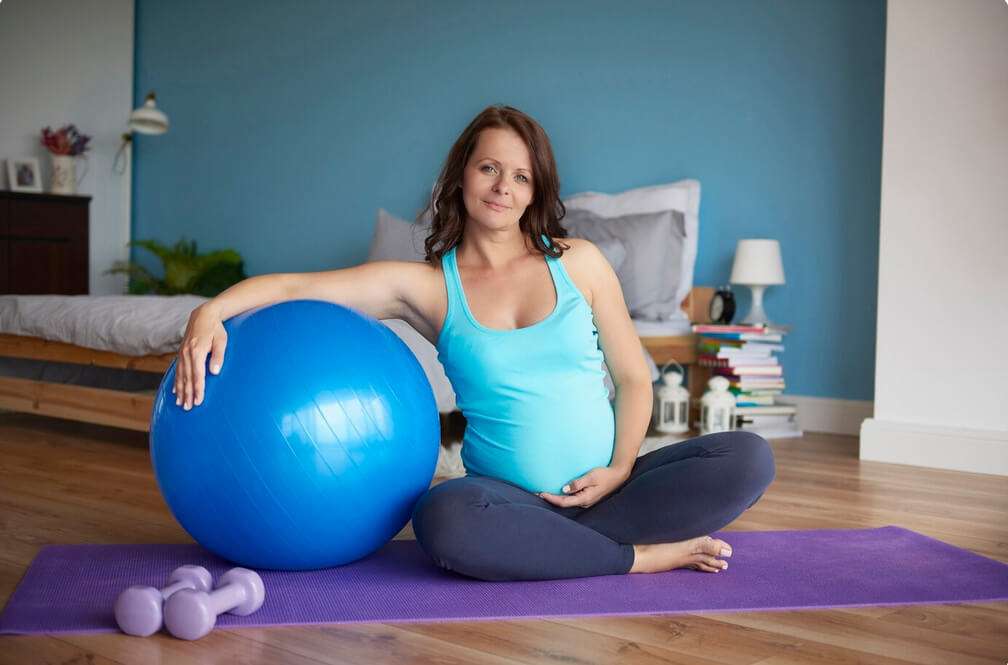
Pregnancy and motherhood bring countless questions about what’s safe, what’s beneficial, and what’s actually necessary for your health and your baby’s wellbeing. Exercise during and after pregnancy remains one of the most misunderstood topics, surrounded by outdated advice, cultural myths, and well-meaning but inaccurate information. The truth is that appropriate exercise during pregnancy and strategic postpartum recovery can be among the most powerful tools for maternal health, easier labor, faster recovery, and long-term wellbeing.
Debunking Pregnancy Exercise Myths
Decades of research have transformed our understanding of pregnancy exercise, yet many expectant mothers still receive outdated or overly cautious advice that does more harm than good.
Myth: Exercise During Pregnancy is Dangerous
The Truth: Regular, appropriate exercise during pregnancy is not only safe but recommended by leading medical organizations including the American College of Obstetricians and Gynecologists (ACOG). Exercise reduces the risk of gestational diabetes, excessive weight gain, preeclampsia, and cesarean delivery while improving mood and energy levels.
Myth: You Should Keep Your Heart Rate Under 140 BPM
The Truth: The arbitrary 140 beats per minute rule has been abandoned by medical professionals. Modern prenatal fitness guidelines focus on perceived exertion and the “talk test” rather than rigid heart rate limits, recognizing that individual fitness levels and pregnancy adaptations vary significantly.
Myth: You Can’t Start Exercising During Pregnancy
The Truth: Pregnancy is actually an excellent time to begin a fitness routine, with appropriate modifications and professional guidance. Sedentary women who start exercising during pregnancy often experience better outcomes than those who remain inactive.
Trimester-Specific Exercise Guidelines
Understanding how your body changes throughout pregnancy allows you to adapt your exercise routine to support both your health and your baby’s development while staying safe and comfortable.
First Trimester: Building Your Foundation (Weeks 1-12)
The first trimester is often the most challenging for maintaining exercise routines due to fatigue, nausea, and hormonal changes. However, this period is crucial for establishing healthy habits.
Safe Exercise Options:
- Walking and light jogging (if previously active)
- Swimming and water aerobics
- Prenatal yoga and gentle stretching
- Low-impact strength training with modifications
- Stationary cycling and elliptical training
Key Modifications:
- Listen to your body and reduce intensity if experiencing nausea or fatigue
- Stay well-hydrated and avoid overheating
- Avoid exercises lying flat on your back after the first trimester
- Focus on core stability and pelvic floor awareness
Second Trimester: The “Golden Period” (Weeks 13-26)
Most women experience increased energy and reduced nausea during the second trimester, making it an ideal time to maintain or increase activity levels while adapting to physical changes.
Recommended Activities:
- Continued cardiovascular exercise with modifications
- Strength training focusing on functional movements
- Prenatal fitness classes designed for growing bellies
- Swimming and water-based exercises
- Walking and hiking on stable terrain
Important Adaptations:
- Modify core exercises to accommodate growing belly
- Avoid exercises requiring balance or coordination if experiencing instability
- Begin emphasizing posture-supporting exercises for upper back and shoulders
- Focus on hip stability as center of gravity shifts
Third Trimester: Preparing for Labor (Weeks 27-40)
The final trimester requires the most significant exercise modifications as your body prepares for labor and delivery. Exercise focus shifts toward maintaining fitness, reducing discomfort, and preparing for the physical demands of childbirth.
Beneficial Exercises:
- Daily walking at comfortable pace
- Prenatal yoga focusing on relaxation and breathing
- Swimming and water walking for joint relief
- Pelvic floor exercises and labor preparation movements
- Gentle strength training with lighter weights
Essential Modifications:
- Reduce exercise intensity and duration as needed
- Avoid activities with fall or collision risk
- Focus on breathing techniques and relaxation
- Emphasize exercises that prepare the body for labor positions
Understanding and Preventing Diastasis Recti
Diastasis recti, the separation of abdominal muscles during pregnancy, affects up to 60% of pregnant women and can persist postpartum if not properly addressed. Understanding this condition is crucial for safe exercise during pregnancy and effective postpartum recovery.
What is Diastasis Recti?
Diastasis recti occurs when the rectus abdominis muscles (the “six-pack” muscles) separate along the midline due to stretching of the connective tissue (linea alba) that holds them together. This separation is a normal adaptation to accommodate your growing baby but requires specific attention to prevent complications.
Prevention During Pregnancy
Safe Core Exercises:
- Modified planks and side planks
- Breathing exercises focusing on deep core activation
- Gentle pelvic tilts and cat-cow stretches
- Wall sits and squats with proper form
Exercises to Avoid:
- Traditional crunches and sit-ups
- Intense twisting movements
- Heavy lifting with poor form
- Exercises causing “doming” or bulging of the abdominal wall
Postpartum Diastasis Recti Recovery
Recovery from diastasis recti requires specific exercises and techniques that promote proper healing and functional restoration:
Progressive Exercise Sequence:
- Breathing and Awareness (Weeks 0-6): Focus on diaphrageatic breathing and gentle core activation
- Functional Movements (Weeks 6-12): Incorporate daily movement patterns with core engagement
- Strengthening Phase (Weeks 12+): Progressive resistance training with proper form and alignment
Professional Assessment: A qualified women’s health physical therapist can assess diastasis recti severity and provide personalized recovery strategies.
Postpartum Recovery Timeline: What to Really Expect
The “six-week clearance” from your doctor doesn’t mean your body has fully recovered from pregnancy and childbirth. True postpartum recovery follows a much longer timeline that varies significantly between individuals.
The First Six Weeks: Initial Healing
Physical Changes:
- Uterine involution (return to pre-pregnancy size)
- Lochia (postpartum bleeding) gradually decreases
- Joint laxity persists due to hormonal influences
- Sleep deprivation affects recovery and energy levels
Appropriate Activities:
- Gentle walking as tolerated
- Deep breathing exercises and pelvic floor awareness
- Basic posture exercises for neck and shoulder relief
- Light stretching for tight or sore muscles
Red Flags Requiring Medical Attention:
- Heavy bleeding or large clots
- Severe abdominal or pelvic pain
- Signs of infection (fever, chills, unusual discharge)
- Chest pain or difficulty breathing
Weeks 6-12: Gradual Return to Activity
Medical clearance at six weeks doesn’t mean immediate return to pre-pregnancy exercise intensity. This period focuses on rebuilding foundational strength and addressing postpartum physical changes.
Progressive Exercise Introduction:
- Walking programs with gradually increasing duration and intensity
- Core rehabilitation exercises addressing diastasis recti
- Pelvic floor strengthening and coordination training
- Posture correction exercises for nursing and baby care positions
Considerations for Breastfeeding Mothers:
- Increased caloric and hydration needs
- Potential for continued joint laxity
- Breast changes affecting exercise comfort
- Need for supportive, well-fitting sports bras
Months 3-6: Building Strength and Endurance
This period allows for more significant increases in exercise intensity and complexity while continuing to address pregnancy-related changes.
Exercise Progression:
- Cardiovascular training at moderate intensities
- Strength training with progressive overload
- Sport-specific activities with modifications as needed
- Core and pelvic floor integration into functional movements
Pelvic Floor Recovery: The Foundation of Postpartum Health
Pelvic floor recovery is one of the most important yet least discussed aspects of postpartum rehabilitation. These muscles support your pelvic organs and play crucial roles in core stability, bowel and bladder control, and sexual function.
Understanding Pelvic Floor Changes
Pregnancy and childbirth significantly impact pelvic floor muscles through:
- Increased pressure from growing baby and uterus
- Hormonal changes affecting tissue elasticity
- Stretching during vaginal delivery
- Potential trauma from difficult or assisted deliveries
Common Postpartum Pelvic Floor Issues
Stress Incontinence: Leaking urine during coughing, sneezing, laughing, or exercise affects up to 45% of postpartum women.
Pelvic Organ Prolapse: Descent of pelvic organs due to weakened support structures, causing pressure, discomfort, or visible bulging.
Sexual Dysfunction: Changes in sensation, comfort, or function affecting intimacy and quality of life.
Core Instability: Weakness affecting posture, back health, and functional movement patterns.
Effective Pelvic Floor Recovery Strategies
Professional Assessment: A pelvic floor physical therapist can evaluate muscle function, identify problems, and develop personalized treatment plans.
Progressive Exercise Program:
- Awareness and coordination training
- Strengthening exercises for weak muscles
- Stretching and relaxation for tight or overactive muscles
- Integration with core and hip strengthening
Lifestyle Modifications:
- Proper toileting postures and habits
- Lifting techniques that protect pelvic floor
- Management of constipation and chronic cough
- Gradual return to high-impact activities
Return to Exercise Timeline: Individual vs. Universal
While general timelines provide helpful guidance, every woman’s postpartum recovery journey is unique. Factors affecting your return to exercise include delivery type, complications, fitness level, sleep quality, breastfeeding status, and support systems.
Factors Affecting Recovery Timeline
Delivery-Related Factors:
- Vaginal delivery vs. cesarean section
- Length of labor and pushing phase
- Use of interventions (forceps, vacuum, episiotomy)
- Complications during delivery or recovery
Individual Factors:
- Pre-pregnancy fitness level
- Pregnancy exercise habits
- Overall health status
- Previous pregnancies and recoveries
- Mental health and stress levels
Signs You’re Ready to Progress
Physical Readiness Indicators:
- Medical clearance from healthcare provider
- Resolution of bleeding and initial healing
- Ability to perform daily activities without significant fatigue
- Basic core and pelvic floor muscle control
Warning Signs to Slow Down:
- Persistent or worsening pelvic pressure
- Leaking urine during exercise
- Severe fatigue or dizziness
- Joint pain or instability
- Separation of abdominal muscles with bulging
Embracing Your Journey: Fitness as Self-Care
Exercise during pregnancy and postpartum recovery isn’t about maintaining pre-pregnancy appearance or performance levels it’s about supporting your health, energy, and wellbeing during one of life’s most significant transitions.
Every woman’s journey through pregnancy and motherhood is unique, and your exercise routine should reflect your individual needs, preferences, and circumstances. The goal isn’t perfection but rather consistent support for your physical and mental health as you navigate this transformative time.
Your health and wellbeing matter, both for you and your family. The women’s health specialists at Gordon Physical Therapy understand the unique challenges mothers face and provide comprehensive support for safe exercise during pregnancy and effective postpartum recovery. Our experienced team helps women throughout Spokane Valley, WA maintain fitness during pregnancy, recover fully after delivery, and return to the activities they love with confidence and strength. Whether you’re expecting your first baby or recovering from your most recent delivery, we’re here to guide you through every step of your journey. Call 509.892.5442 today to schedule your consultation and discover how proper guidance can make your pregnancy and postpartum experience healthier, more comfortable, and more empowering.
"Tell Us Where It Hurts..."
And we'll send you our best advice and top tips in one special report...
It's FREE! Just look below and find the one that works best for you...


Monday 7:00 am - 6:00 pm
Tuesday 7:00 am - 6:00 pm
Wednesday 7:00 am - 6:00 pm
Thursday 7:00 am - 6:00 pm
Friday 7:00 am - 5:00 pm
Saturday Closed
Sunday Closed
Gordon Physical Therapy - Spokane Valley, WA
626 North Mullan Road #4, Spokane Valley, WA 99206
© 2024 Gordon Physical Therapy