
Why Women Experience Different Pain Patterns (And How Specialized PT Addresses Them)
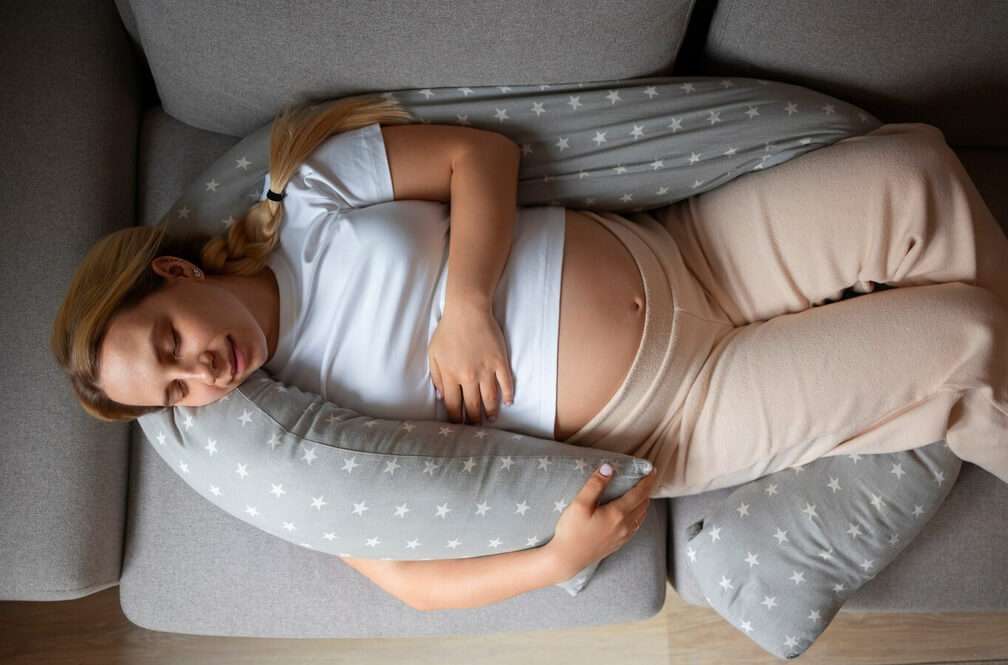
Pregnancy and motherhood bring countless questions about health, recovery, and managing pain that seems different from what men experience. The truth is that women do experience pain differently than men, and understanding these gender-specific differences is crucial for effective treatment and long-term wellness. Female pain patterns differ significantly due to biological, hormonal, and biomechanical factors that require specialized approaches in physical therapy.
Debunking Common Myths About Women’s Pain
Decades of research have transformed our understanding of female pain patterns, yet many women still receive outdated or overly generalized advice that doesn’t address their unique needs.
Myth: Women Are Just More Sensitive to Pain The Truth: Women experience pain differently due to complex biological processes, not psychological weakness. Research consistently shows that hormonal fluctuations, genetic factors, and nervous system differences create legitimate variations in pain perception and processing that require specialized treatment approaches.
Myth: Pain Medication Works the Same for Everyone The Truth: Women often require different dosing, timing, and types of pain management strategies. Hormonal influences can affect medication effectiveness, and women’s physical therapy often provides more sustainable relief than medication alone for many chronic pain conditions.
Myth: Exercise Makes Women’s Pain Worse The Truth: Appropriate exercise and movement therapy are among the most effective treatments for female-specific pain patterns. The key is understanding how hormonal fluctuations and biomechanical differences affect exercise response and recovery.
Understanding Hormonal Influences on Pain
Hormones play a pivotal role in how women experience and recover from pain. These influences extend far beyond reproductive health, affecting conditions like fibromyalgia, migraines, joint pain, and chronic fatigue.
The Menstrual Cycle and Pain Sensitivity
Estrogen and progesterone fluctuations create predictable patterns in pain sensitivity throughout the menstrual cycle. During the follicular phase, increased estrogen can improve tissue flexibility and reduce pain sensitivity. However, the luteal phase may bring increased inflammation and pain sensitivity, particularly affecting conditions like temporomandibular joint dysfunction and chronic pain syndromes.
Understanding these patterns allows women’s physical therapy specialists to time treatments effectively and help patients anticipate and manage cyclical pain changes. This knowledge transforms frustrating, unpredictable symptoms into manageable patterns that can be addressed proactively.
Pregnancy and Postpartum Pain Patterns
Pregnancy brings unique pain challenges as relaxing hormones increases joint mobility but can lead to instability and discomfort. The growing belly shifts the center of gravity, creating new stress patterns on the spine, pelvis, and supporting muscles. Postpartum women often deal with hormonal pain fluctuations while managing physical recovery from childbirth.
These changes require specialized expertise in women’s health physical therapy. Treatment approaches must account for ongoing hormonal fluctuations, tissue healing, sleep deprivation, and the physical demands of caring for a newborn.
Menopause and Pain Management
When estrogen levels drop during menopause, women often experience increased joint stiffness, decreased bone density, and slower healing times. These changes can trigger new pain patterns or worsen existing conditions. Hot flashes, sleep disruption, and mood changes add complexity to pain management during this transition.
Biomechanical Differences That Create Unique Pain Patterns
Women’s anatomy creates distinct movement patterns and potential pain sources that differ significantly from male patterns. Understanding these differences is essential for effective treatment.
Pelvic and Hip Dysfunction
The wider female pelvis and different Q-angle at the knee influence how forces transfer through the body during movement. Hip and pelvic floor dysfunction are particularly common in women, often contributing to lower back pain, hip pain, and core weakness. These issues can develop during pregnancy, worsen after childbirth, or emerge during menopause.
Pelvic floor physical therapy addresses the unique anatomy and function of the female pelvic floor, providing relief for conditions ranging from incontinence to pelvic pain that often go untreated with traditional approaches.
Shoulder and Neck Pain Patterns
Women’s shoulder and neck pain patterns often relate to postural adaptations from daily activities, workplace ergonomics, and anatomical differences in shoulder girdle mechanics. Factors like breast size, hormonal influences on connective tissue, and repetitive activities like nursing or childcare create specific pain patterns that require targeted treatment.
Autoimmune Conditions and Female Pain
Women are disproportionately affected by autoimmune conditions, with approximately 75% of autoimmune disease cases occurring in females. Conditions like rheumatoid arthritis, lupus, fibromyalgia, and thyroid disorders create complex pain patterns that fluctuate unpredictably and require specialized understanding.
These conditions often involve systemic inflammation, fatigue, and symptom flares that can significantly impact daily function. Traditional pain management approaches may not address the multifaceted nature of autoimmune-related pain, making specialized women’s physical therapy essential for comprehensive care.
Hormonal pain associated with autoimmune conditions often fluctuates with menstrual cycles, stress levels, and seasonal changes. Physical therapists specializing in women’s health understand these patterns and can adjust treatment plans accordingly.
Creating Long-Term Success
What works during one phase of a woman’s life may need adjustment during another, requiring ongoing assessment and plan modification. The goal isn’t just temporary pain relief but sustainable strategies that adapt to life changes, hormonal transitions, and evolving needs.
Women deserve treatment approaches that recognize and address their specific needs, from adolescence through menopause and beyond. Understanding the complex interplay of hormones, biomechanics, and individual factors allows for more effective, personalized care that addresses root causes rather than just symptoms.
Your health and wellbeing matter, and your unique pain patterns deserve specialized attention and care. The women’s health specialists at Gordon Physical Therapy understand the complex factors that contribute to female pain patterns and provide comprehensive, individualized treatment that addresses your specific needs. Our experienced team helps women throughout Spokane Valley, WA achieve lasting pain relief and optimal function through evidence-based approaches designed specifically for women’s unique physiology and life stages. Whether you’re dealing with hormonal pain fluctuations, pregnancy-related discomfort, postpartum recovery challenges, or chronic conditions that seem to resist traditional treatment, we’re here to provide the specialized care you deserve. Call 509.892.5442 today to schedule your consultation and discover how understanding your unique pain patterns can transform your path to recovery and long-term wellness.
"Tell Us Where It Hurts..."
And we'll send you our best advice and top tips in one special report...
It's FREE! Just look below and find the one that works best for you...


Monday 7:00 am - 6:00 pm
Tuesday 7:00 am - 6:00 pm
Wednesday 7:00 am - 6:00 pm
Thursday 7:00 am - 6:00 pm
Friday 7:00 am - 5:00 pm
Saturday Closed
Sunday Closed
Gordon Physical Therapy - Spokane Valley, WA
626 North Mullan Road #4, Spokane Valley, WA 99206
© 2024 Gordon Physical Therapy